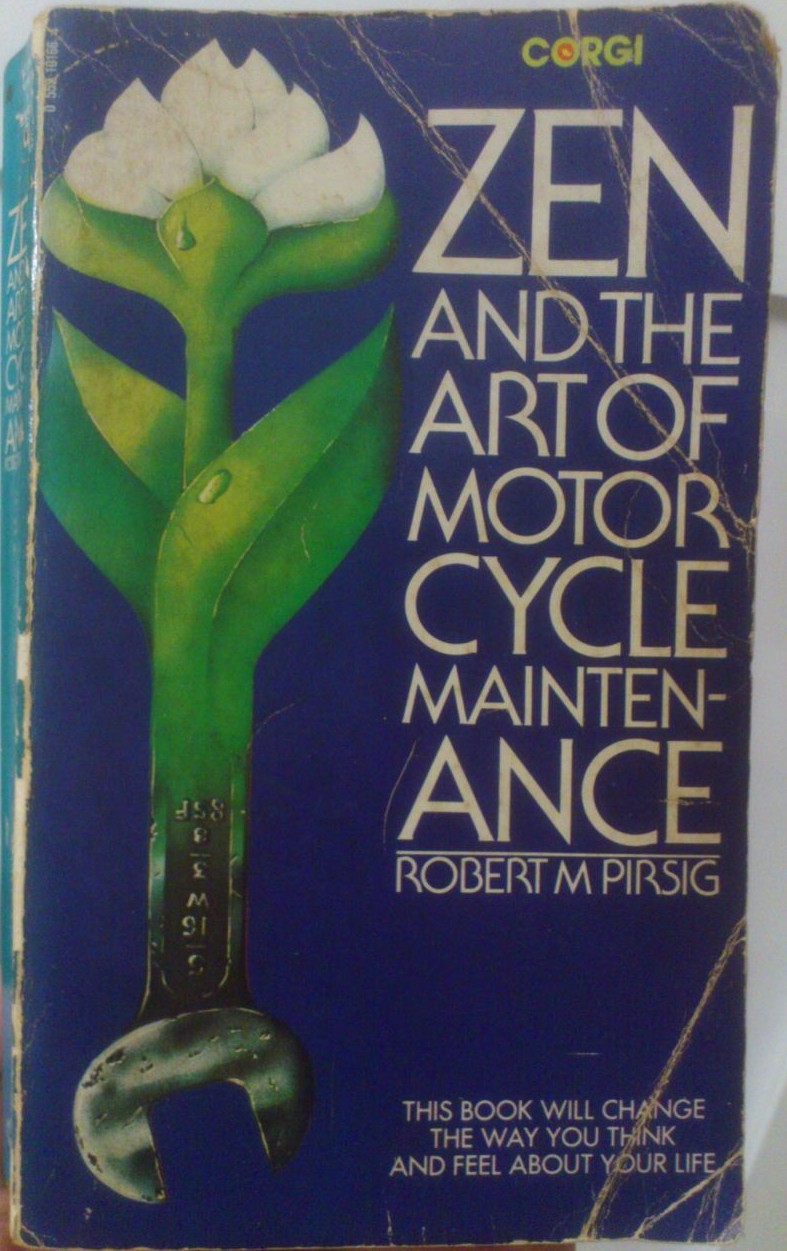
 A man is on a motorcycle road trip with his son and a couple of friends. As they travel through roads and towns across the USA, he pontificates about life, philosophy, and yes, motorcycle maintenance. He doesn’t say a lot about Zen, actually, but what he does say fits in well with the rest of his ideas. He’s trying to develop a train of thought that he thinks might be able to solve the malaise affecting the affluent West in these decadent times.
As the narrator talks more about his own history, it becomes clearer where his ideas came from and how bound up they are to his personal life. You can tell that there are some troubles below the surface and these build tension throughout the story leading to… well, the end of the story, which was reasonably satisfying.
Continue reading →
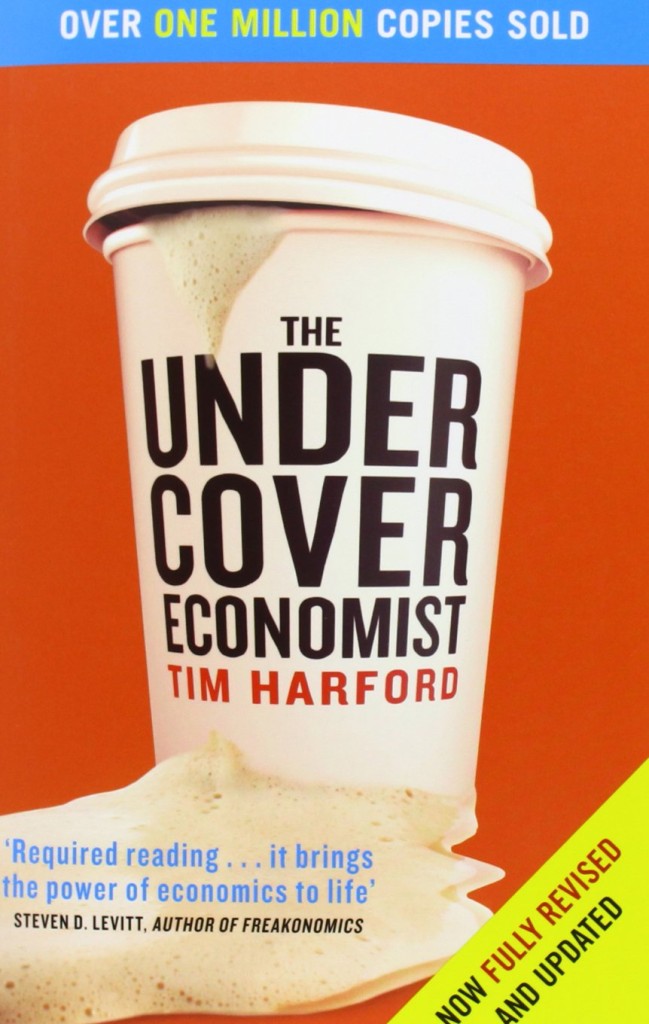 The Undercover Economist is full of useful explanations of many orthodox economic concepts. It explains why free markets are so powerful and what economic efficiency means. It also contains the most accessible explanation of the subprime mortgage crisis as I have ever read. But when all you have is a hammer, everything looks like a nail. For Mr Harford, like many others, markets are that hammer. He does a decent job of trying to address possible difficulties with market-based solutions, but he ignores some fundamental problems.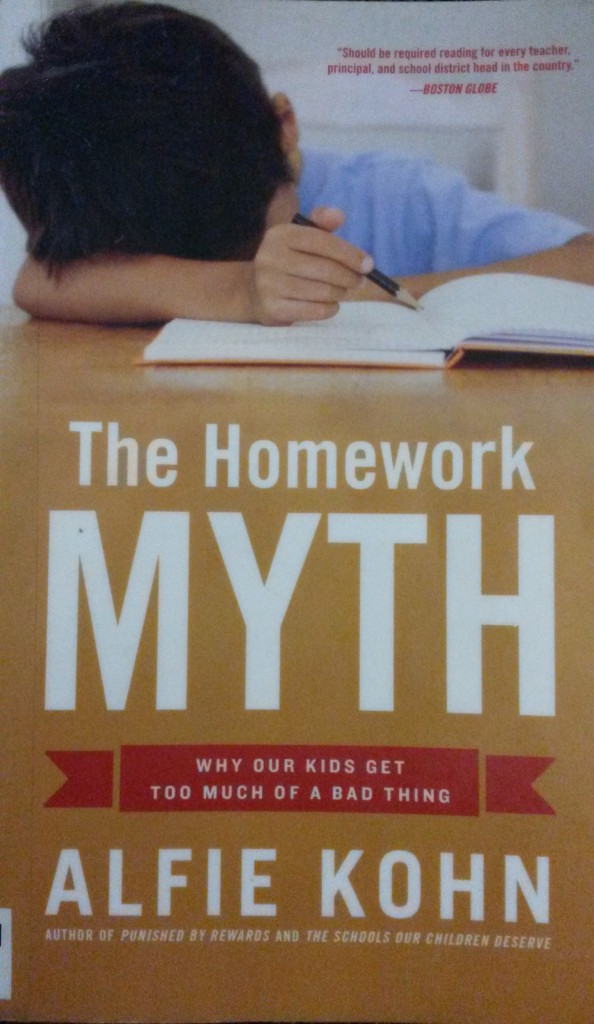
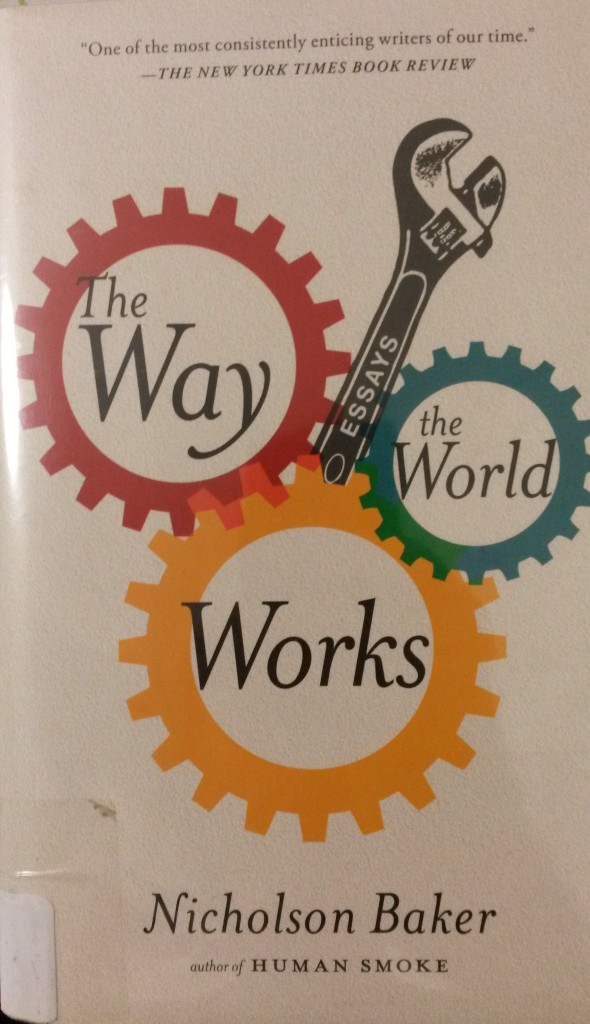 This is a collection of essays on topics that have caught Baker’s eye. There are reports of his (in)famous efforts to preserve library newspaper collections, as well as thoughts on pacifism and video games, and a fascinating story of his brief immersion in the world of Wikipedia editing. As always, he comes across as intelligent and thoughtful, perhaps excessively so. But he has a nice turn of phrase and a strong social conscience.
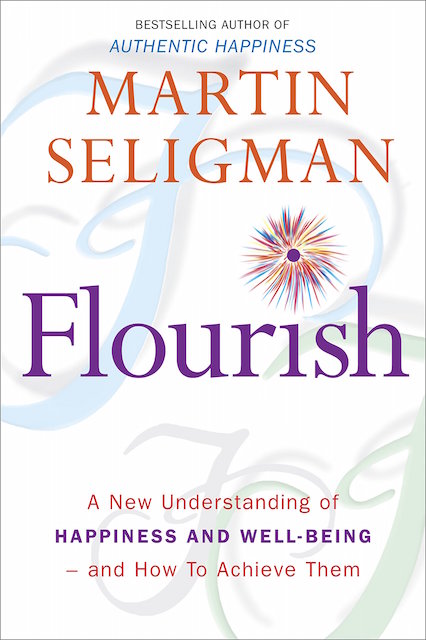 Human well-being consists of more than just happiness. In this book, Martin Seligman presents one way of breaking down well-being into its components, so we can try to improve all of them and enable ourselves to flourish. PERMA is the acronym for the five components he identifies:
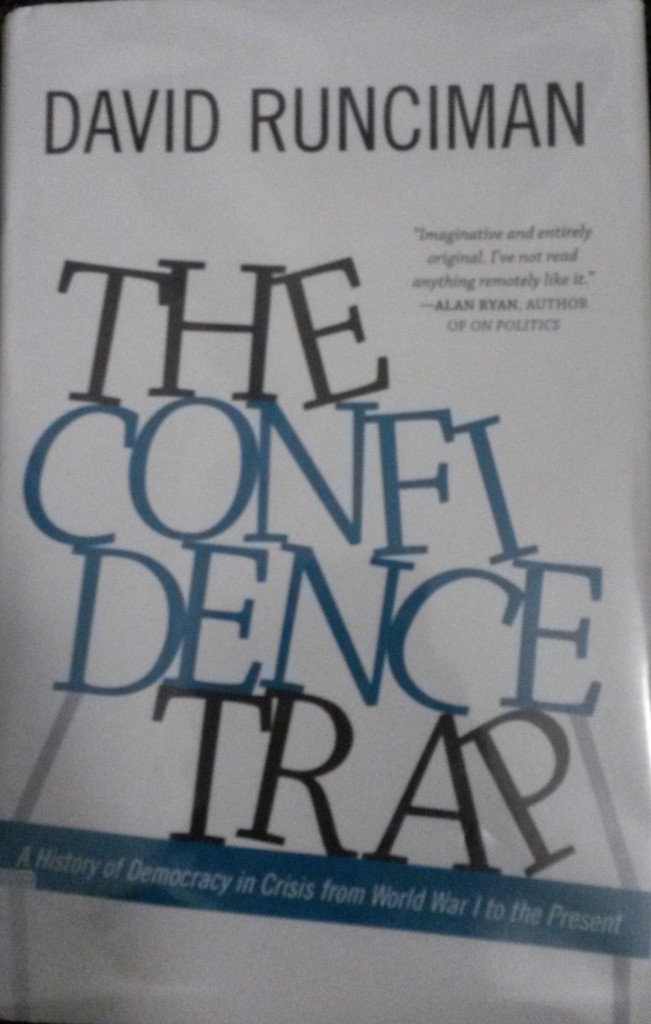 An interesting survey of the working of democracies, as illuminated by their responses to the last hundred years of democratic crises. The idea is that the inherent flexibility of democracies is their main strength but also an inescapable weakness:
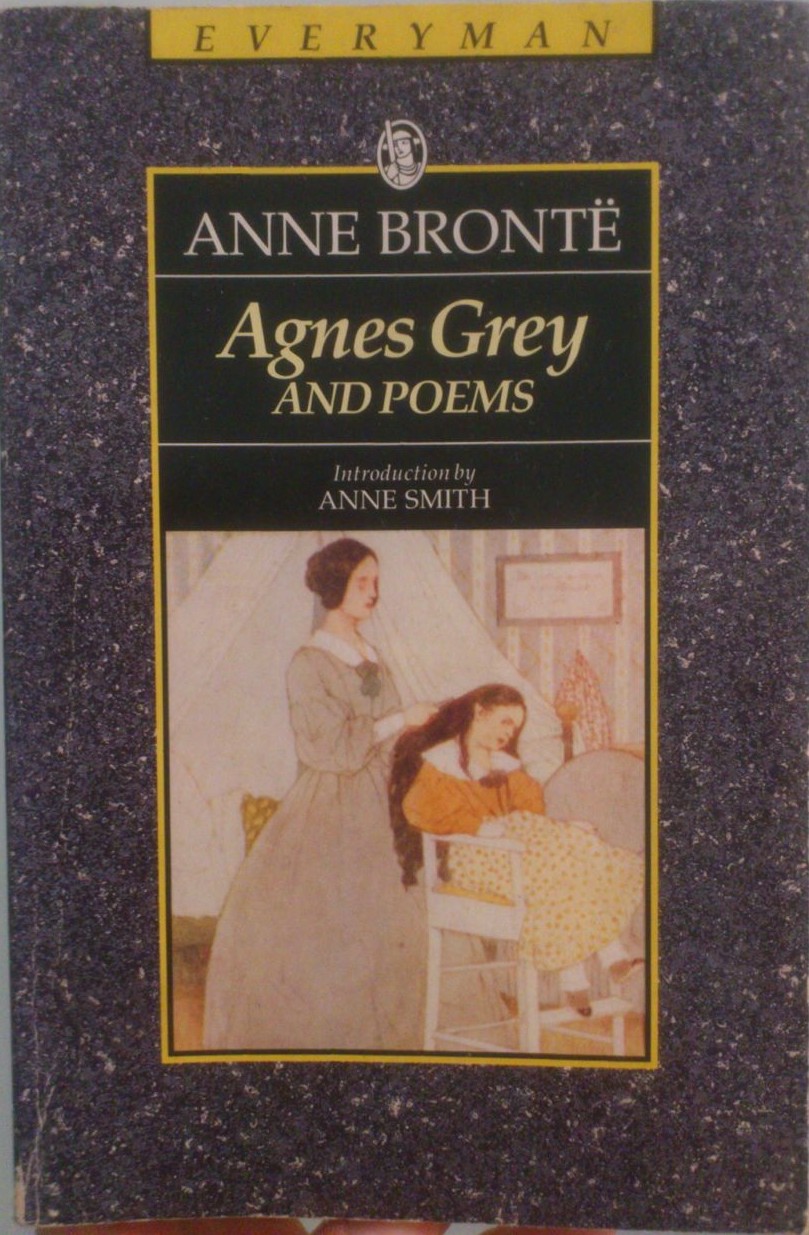 This short novel is neat and satisfying. It’s the story of a girl who decides to become a governess; Agnes is positively saintly, but with a quite amusing wryness in her descriptions of the people she meets. She certainly doesn’t make governessing sound like much fun; doubly so since Brontë based the story partly on her own experiences.