Articles about novels

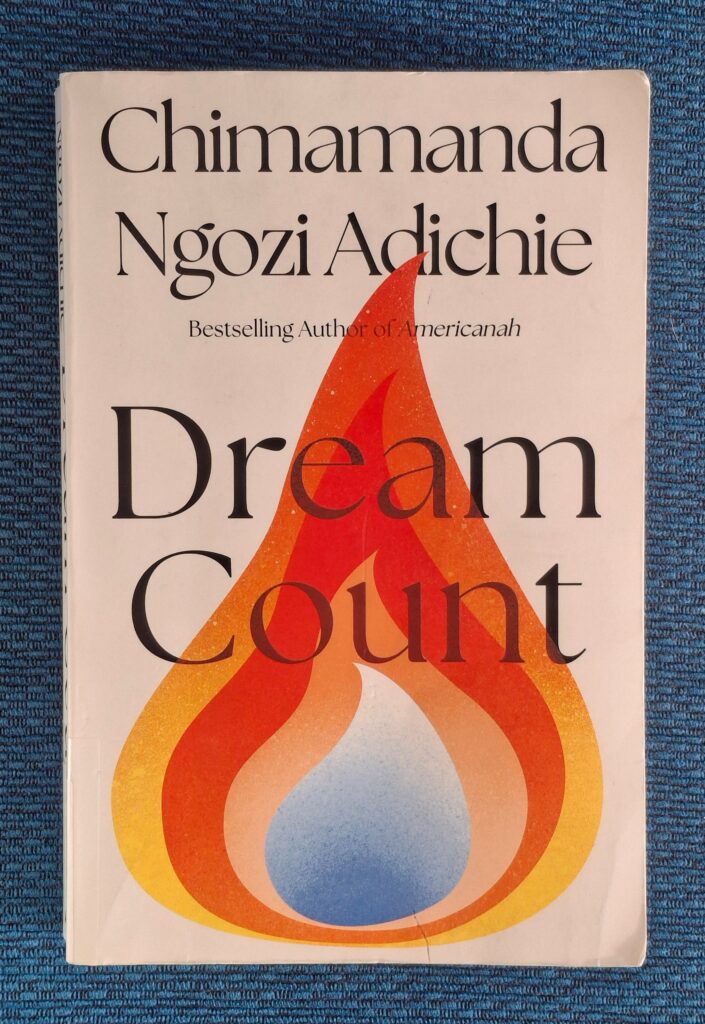
Dream Count – Chimamanda Ngozi Adichie

This book is about the life and (mostly failed) loves of three women: Chia, her friend Zikora and her cousin Omelogor. They are all Nigerian, living variously in the USA and Nigeria, quite well-off, and each with their own interesting lives and stories. There is a fourth woman too, Kadiatou, an associate of Chia. She is also an African (albeit Guinean) living in the USA, but not at all well-off. Her role in the novel is quite different.

Continue reading
This review is about , , , . Bookmark the permalink. Leave a comment

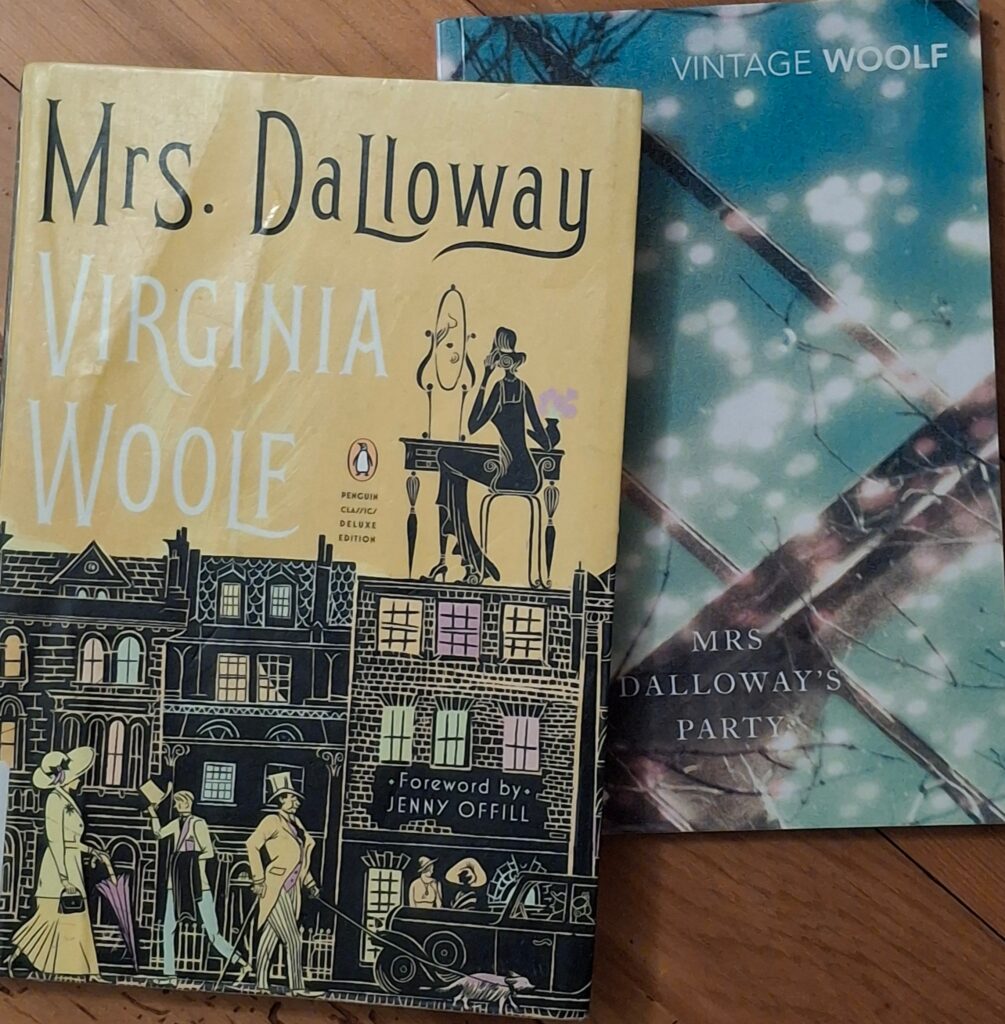
Mrs Dalloway – Virginia Woolf

Two contrasting stream-of-consciousness narratives in this novel, set 100 years ago. Mrs Dalloway is preparing to host a party – we go inside her thoughts and also those of various friends and associates, so we get a full picture of her and her milieu. At the same time, we enter the lonely and disordered mind of Septimus Smith, a shell-shocked war veteran, and his put-upon wife Rezia. The two stories glance off one another at times during the novel. Mrs Dalloway’s narrative is interesting, petty, expansive, while Smith’s is just sad, especially by way of contrast.

Continue reading
This review is about , , . Bookmark the permalink. Leave a comment

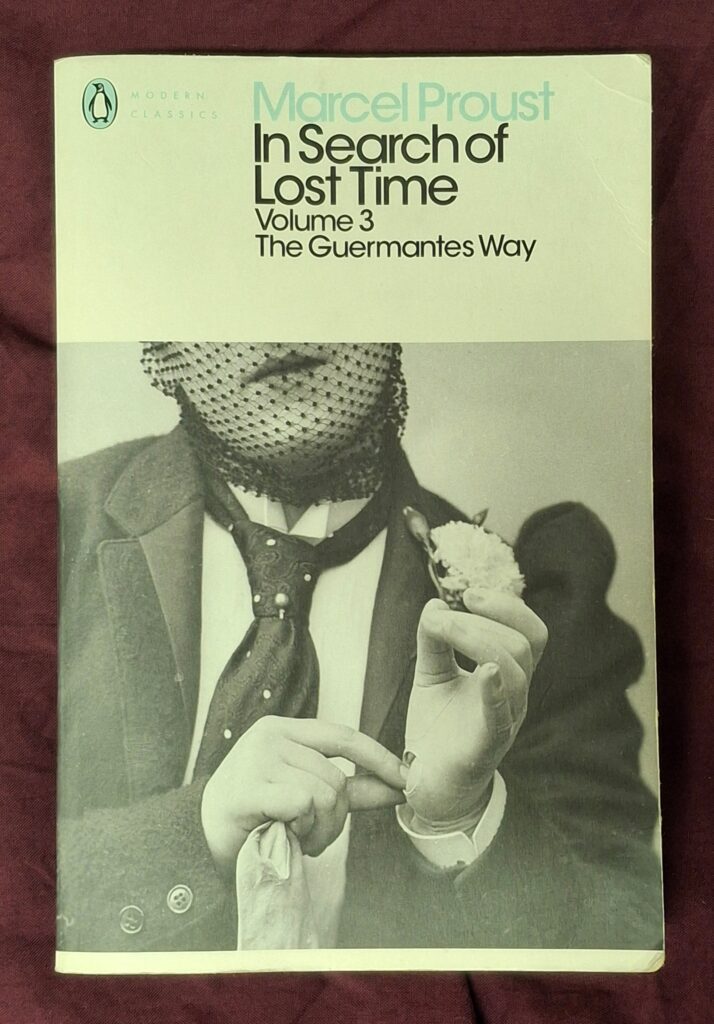
The Guermantes Way – Marcel Proust

This is the third volume of In Search of Lost Time, in which our hero (I’ll call him Marcel even though that’s probably not his name) enters the world of high society, basically by stalking Mme de Guermantes until he falls in with her social set and gets invited to her salons. In the meantime, a lot happens (relatively speaking; this is not The Three Musketeers). He hangs out with his friend Robert de Saint-Loup, who inexplicably thinks very highly of him. At one point Saint-Loup and friends have a long discussion of military strategy – I thought of that late chapter of War & Peace where the novel suddenly turned into a field marshal’s manual.

Continue reading
This review is about , , . Bookmark the permalink. Leave a comment

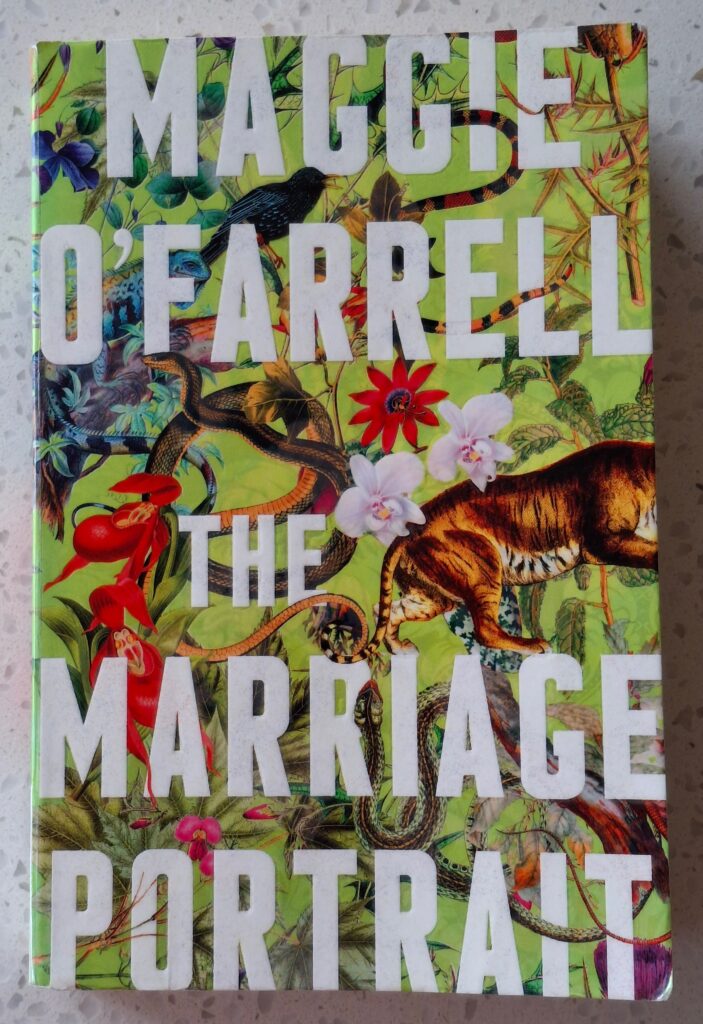
The Marriage Portrait – Maggie O’Farrell

Lucrezia’s husband is planning to murder her – what can she do about it? This book is a compelling dive into the personal and political world of 15th-century Florentine royalty. It’s a fictionalised account of a real troubled marriage, with vividly-drawn characters and relationships. I enjoyed reading it even though I found the ending somewhat unsatisfying.

Continue reading
This review is about , , . Bookmark the permalink. Leave a comment

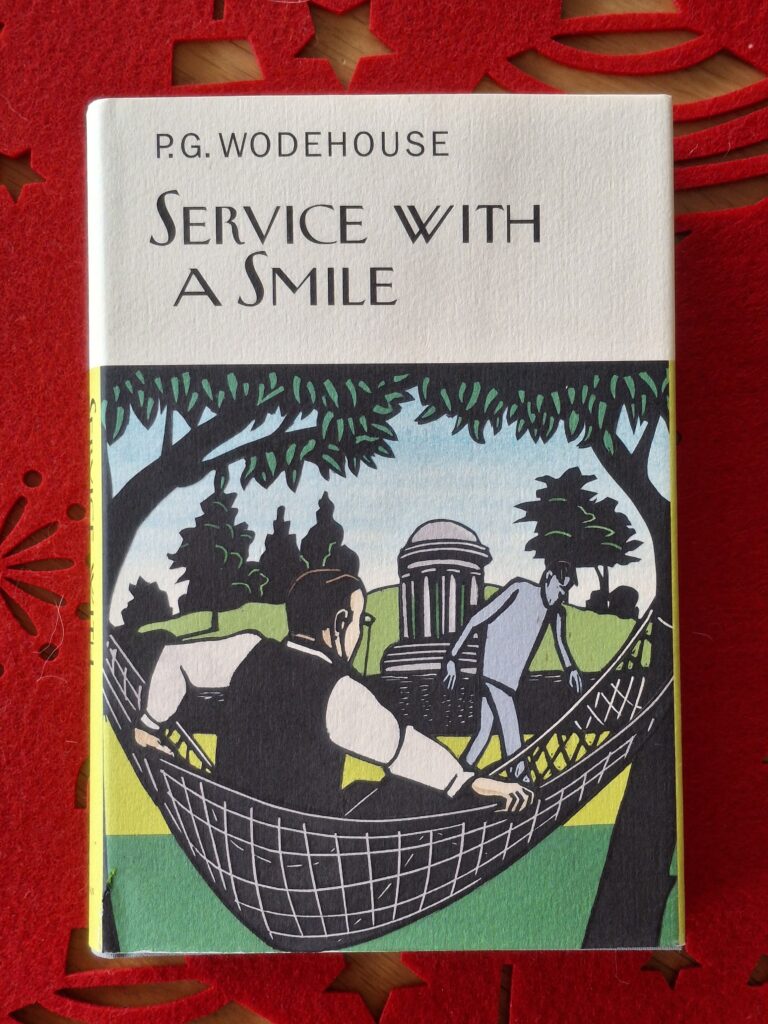
Service with a Smile – P. G. Wodehouse

As usual with Wodehouse, I was chuckling all the way through this book. This is the first Lord Ickenham story I have read. He is a great character, like a haphazardly mischievous version of Jeeves. The many characters get themselves into the stickiest of situations, but Ickenham orchestrates the chaos like a maestro, and all’s well that ends well.

This review is about , , . Bookmark the permalink. Leave a comment

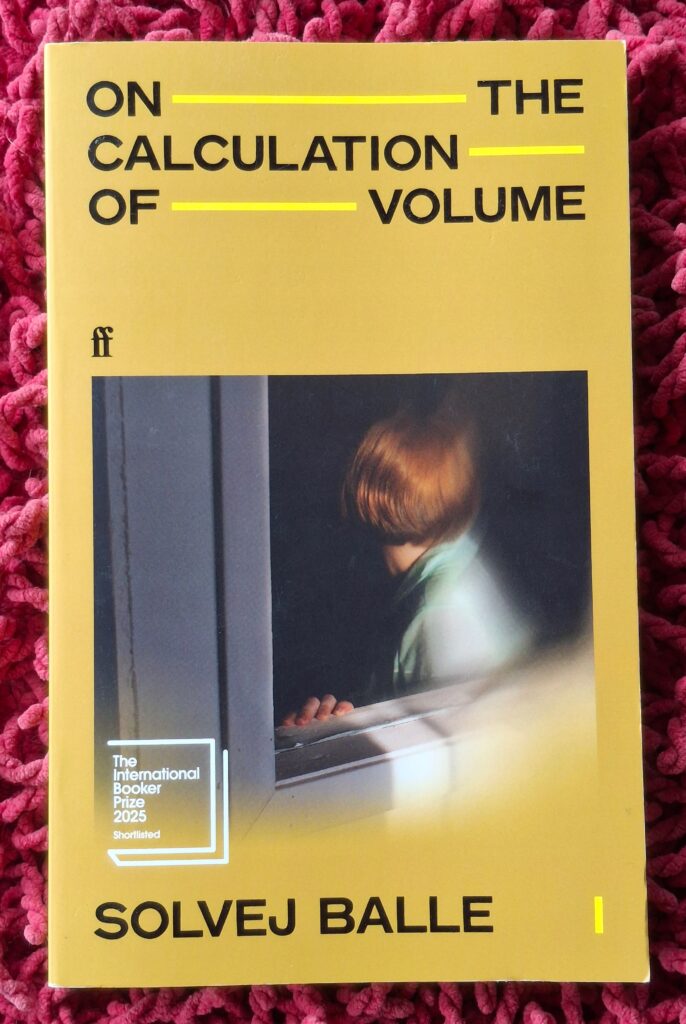
On the Calculation of Volume I – Solvej Balle

This is a great variation on the time-loop story. Tara, our narrator, wakes up on November 19 only to discover that it’s actually November 18 again. For the rest of the book she repeats November 18 every day, gradually realising what has happened and coming to terms with it. She even eventually manages to explain to her husband what has happened. Unfortunately, of course, she has to explain it to him again the next day, and the next, and the next, since he doesn’t remember the previous November 18ths that she has lived through.

Continue reading
This review is about , , . Bookmark the permalink. Leave a comment

In the Shadow of Young Girls in Flower – Marcel Proust

In Search of Lost Time continues. The narrator is now an adolescent, so this book is largely concerned with his newfound fascination with young ladies. The first half of the book continues on from the last book, featuring Swann and his wife Odette and more pertinently, their daughter Gilberte. In the second half, he spends the summer in the seaside town of Balbec, trying to meet girls. (Actually he spends most of time thinking about trying to meet girls.) After much foreshadowing, he finally meets the young Albertine who will play a large part in his life and this novel. I really enjoyed this part.

Continue reading
This review is about , , . Bookmark the permalink. Leave a comment

The Dream Hotel – Laila Lalami

In a near future dystopia, we live in a panopticon: we’re all under universal surveillance, and computers constantly weigh up everything we say and do. If the algorithms determine that we are likely to commit a crime, we are institutionalised for an unspecified length of time until we are deemed fit to rejoin society. This is the situation of Sara, our protagonist.

Continue reading
This review is about , , . Bookmark the permalink. Leave a comment

Parade – Rachel Cusk

Parade is quite austere in style, but still packs an emotional and intellectual punch.

The book is in four sections; they are connected, with a few characters’ stories intertwined throughout. Among the cast are three artists, all just called “G”. This is faintly confusing because the narrative viewpoint sometimes changes abruptly – when “G” is mentioned it’s not always immediately obvious which “G” it is. Many of the other characters aren’t named at all. This carries over to the setting – we find out almost nothing about where these people live, even what part of the world, and there’s very little detail. There is also not really a plot as such; more like lots of vignettes with associated discussion. The focus is on people’s internal states rather than external happenings.

Continue reading
This review is about , , . Bookmark the permalink. Leave a comment

The Ministry of Time – Kaliane Bradley

Government-controlled time travel: what could possibly go wrong?

The setting is pretty much the modern day, with the addition of time travel: occasional government-controlled time travel, enabling the titular Ministry of Time to research the physiological effects of time travel by bringing people from the past into the present day. To minimise ethical problems and temporal paradoxes, they only bring people who were about to die in their own time.

Continue reading
This review is about , , . Bookmark the permalink. Leave a comment