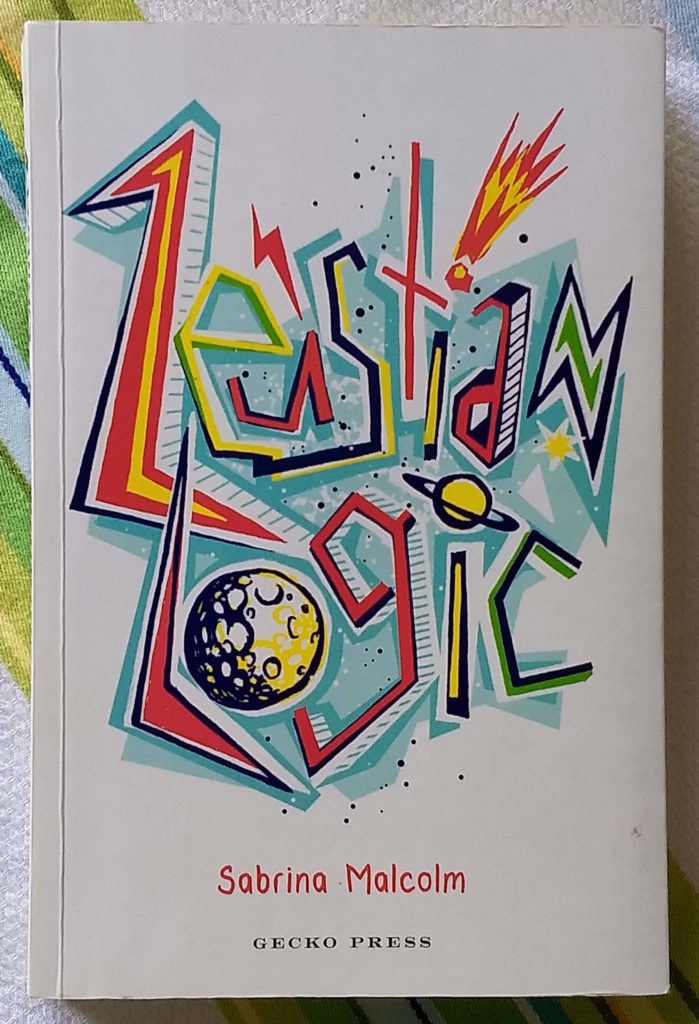
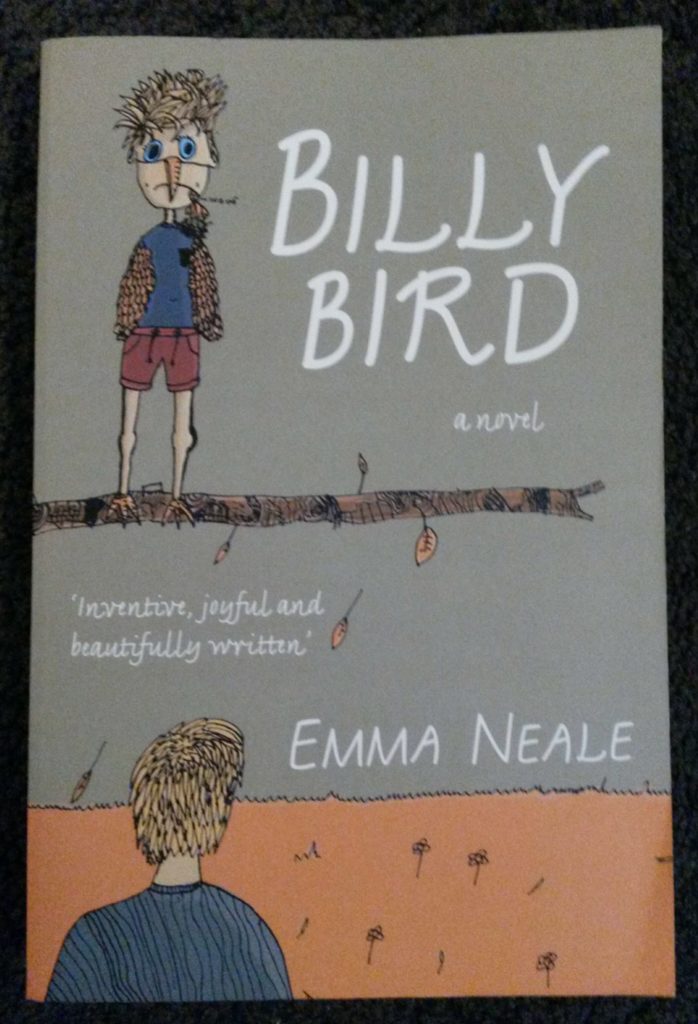
 This story is more fun than you would think, given that it is about a teenage boy coming to terms with his father’s death. Astronomy and mythology are two of Tuttle’s boyish hobbies; they run like threads through the stories he tells his younger brother and the conversations he has with his friend, and also play a big part in the novel’s resolution. His father, a famous mountaineer, disappeared in controversial circumstances which made his loss even harder for his family to deal with. The repercussions continue even a year later, when the novel is set.
Apart from dealing with his father’s death, he also has to deal with his mother and brother, who are struggling in their own way to manage. And of course he also has to negotiate the usual teenage issues; mostly school, and also the juvenile delinquent petrolhead who lives next door (along with his cute half-sister — it’s not all bad).
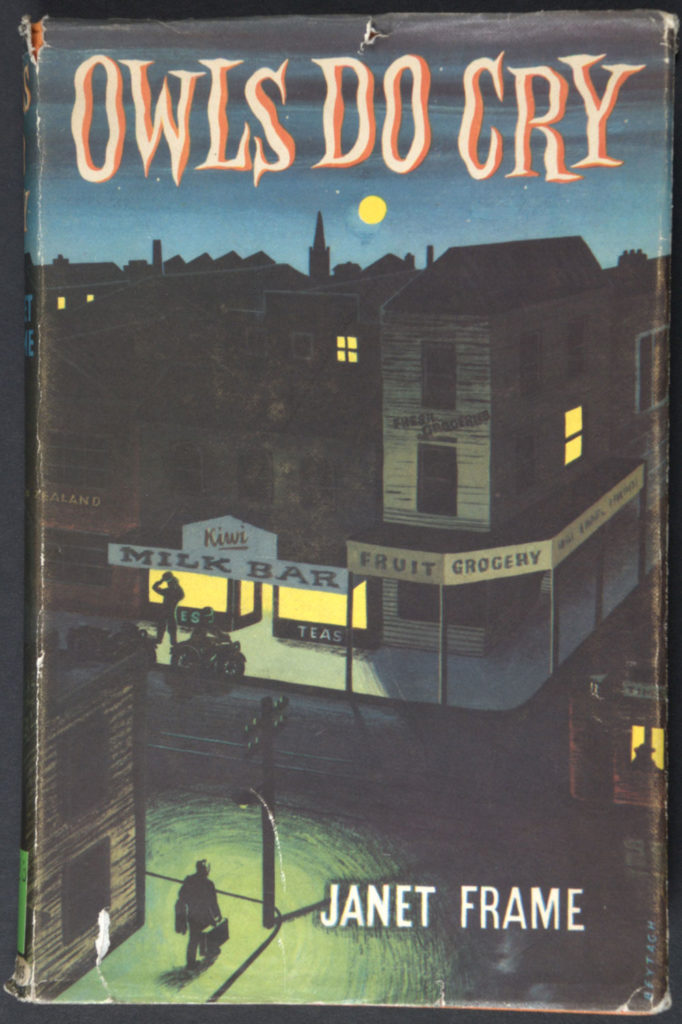 This is deservedly one of the classic New Zealand novels. When I returned it to the library, the librarian eagerly asked me how it was. I said it was really good — a novel version of Frame’s short stories. The shifting viewpoints give a broad understanding of the characters and events, and the impressionistic first-person narrative really made me feel what it must be like for the main character, living a life very different to mine. Bad things happen to her, but there are also many marvellous moments of beauty:
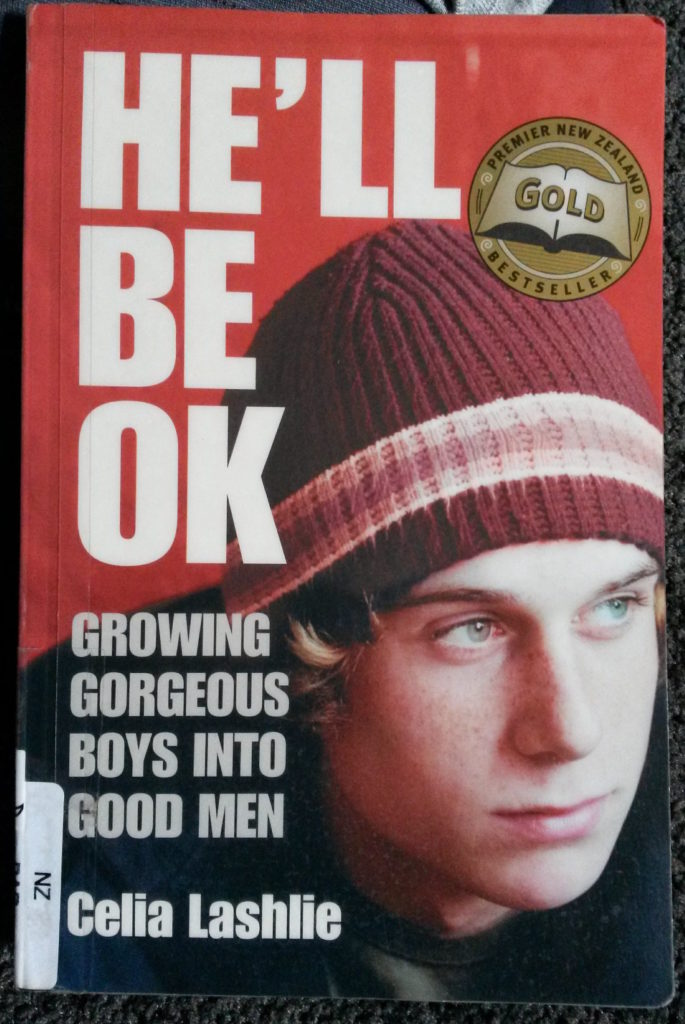 This book is about raising boys, especially teenagers. It’s heartfelt and compelling, and it has a lot of good things to think about and remember if you have a teenaged son, or are planning to have one.
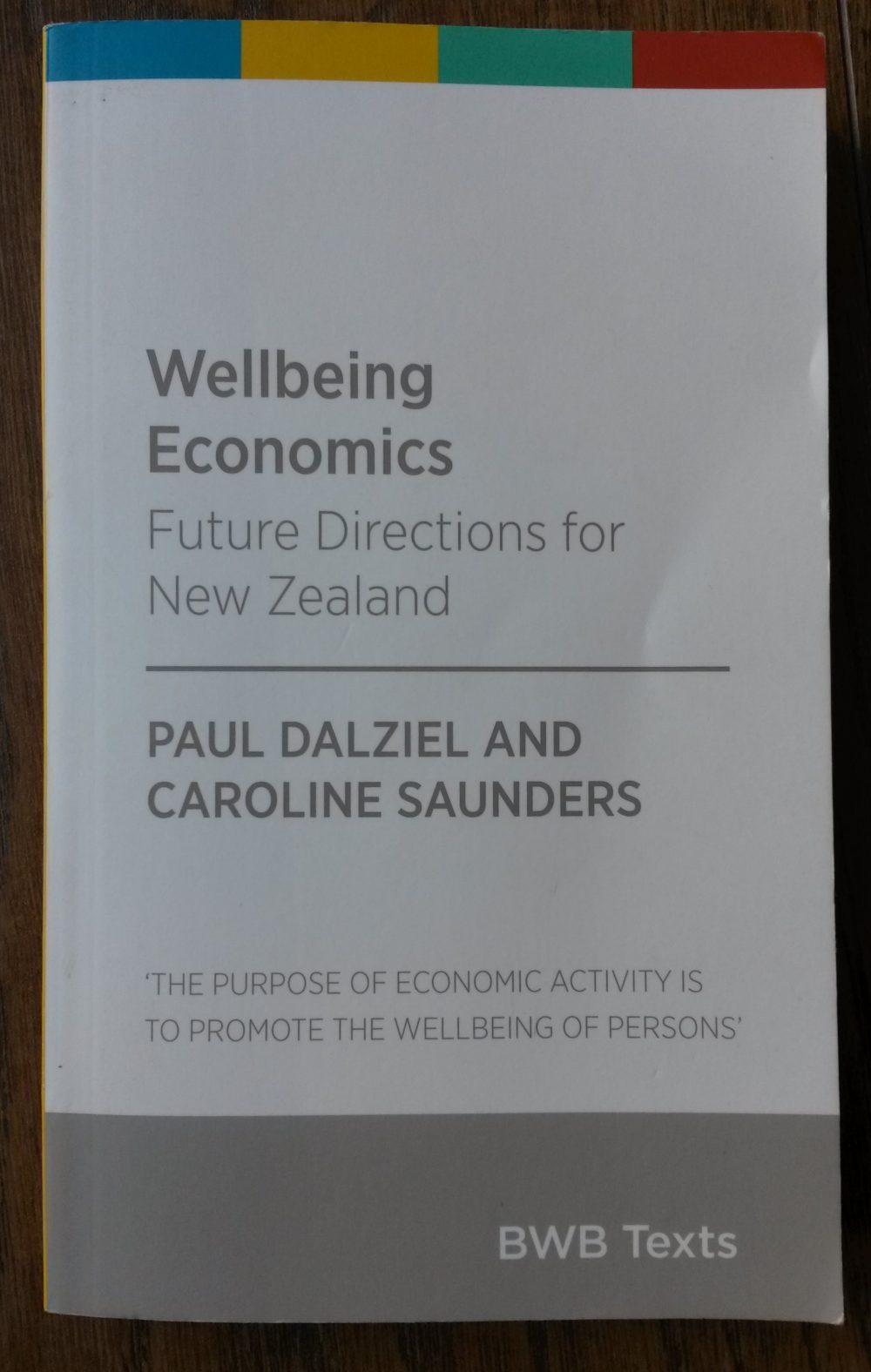 This short but thought-provoking book describes a way that New Zealand’s economy could be reorganised to focus on the wellbeing of all its citizens, defined as
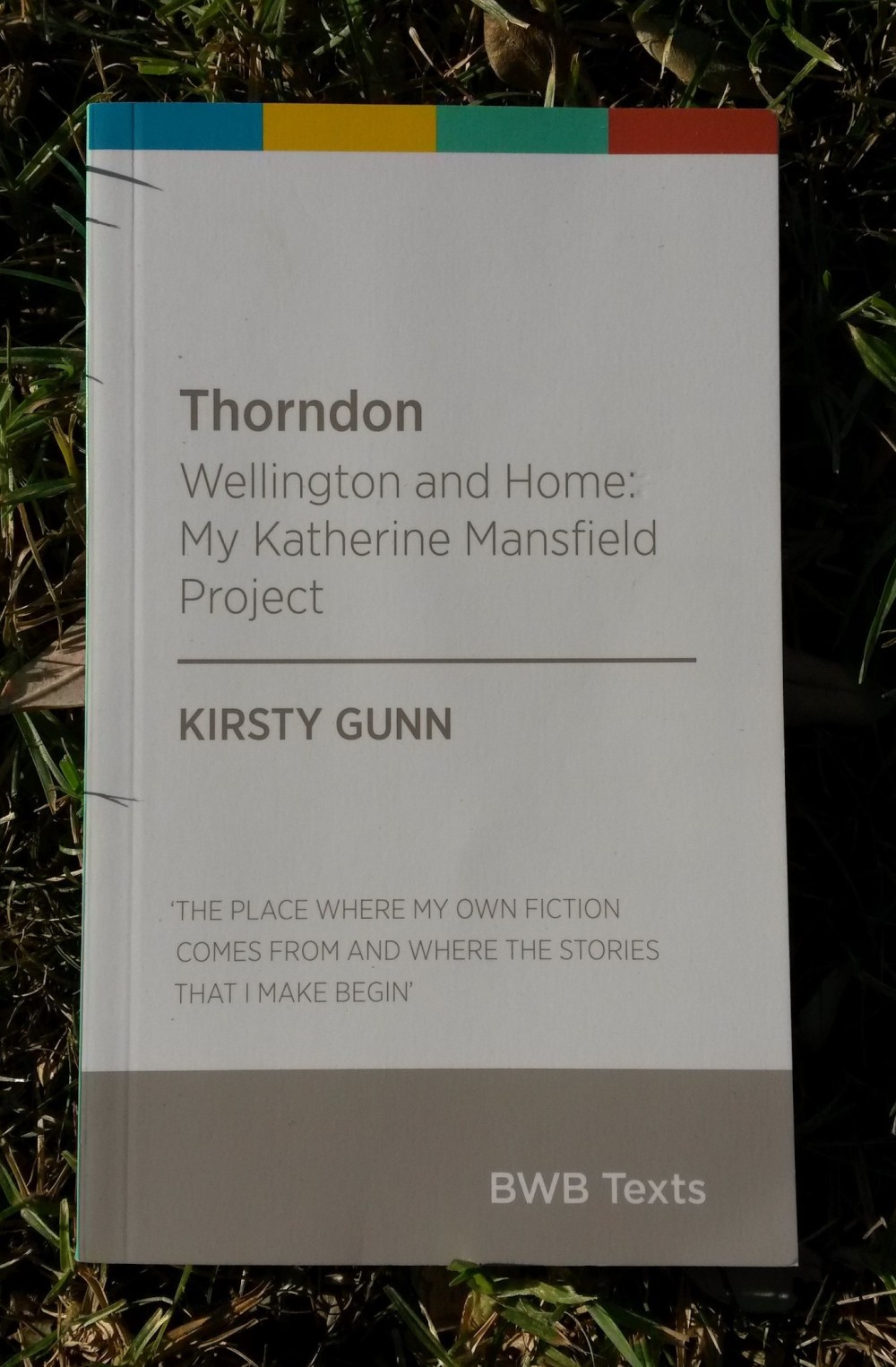 A meditation on belonging, place, family and more. Kirsty Gunn did what Katherine Mansfield never did: she returned from the UK to live for a time in her home town of Wellington, New Zealand. She stayed in a cottage in Thorndon, the suburb where Mansfield grew up, on a scholarship to work on her “Katherine Mansfield project”. This book is the result.
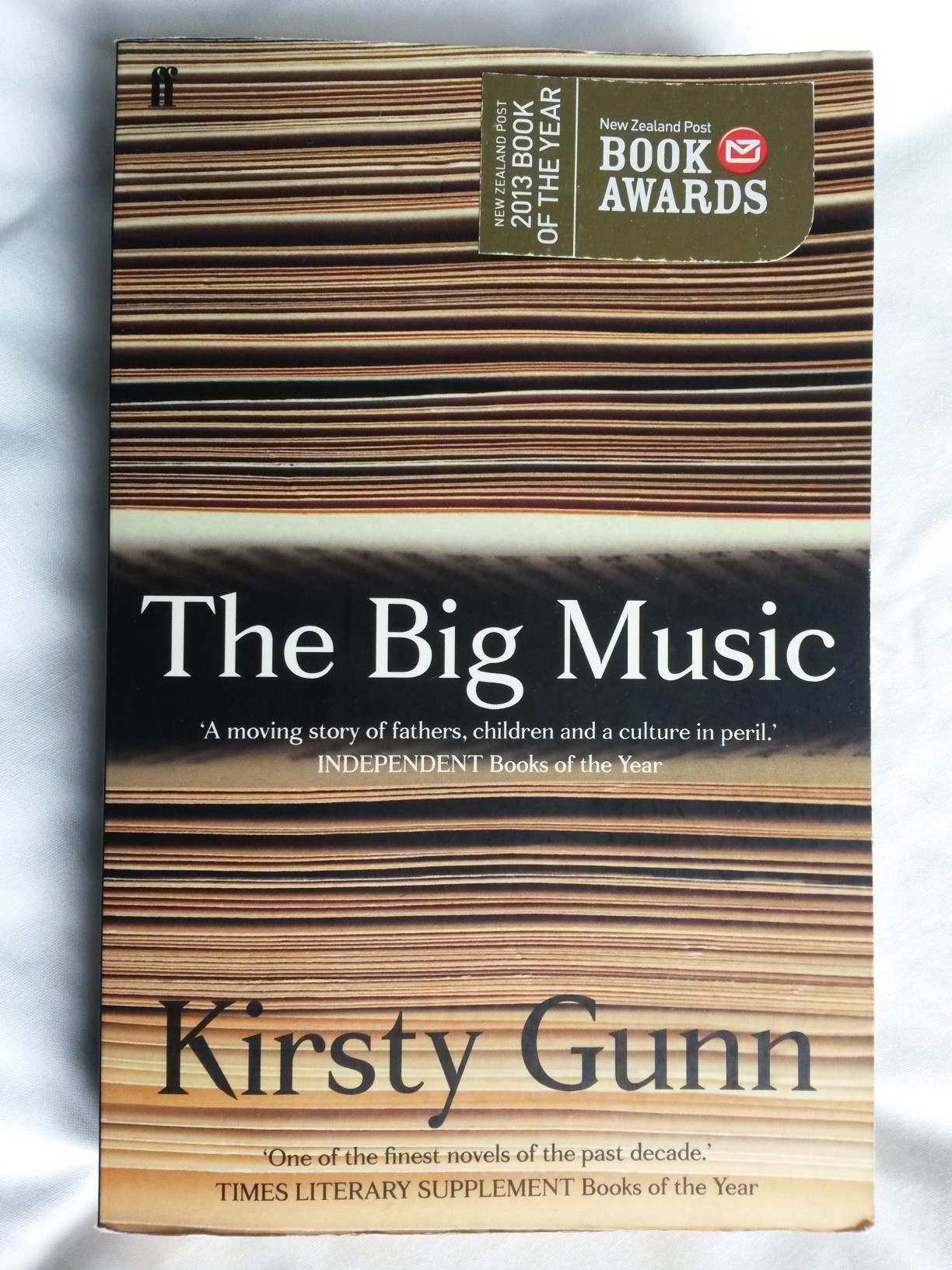 An old man kidnaps his housekeeper’s granddaughter and takes her for a walk in the hills. He needs to write her into a piece of music he is composing. This is the start of this novel, and as it continues we learn more about the history of his family, which has lived for many generations in a remote house in the Scottish highlands. The house and family have become famous in the world of classical bagpipe music, the “big music” of the title.