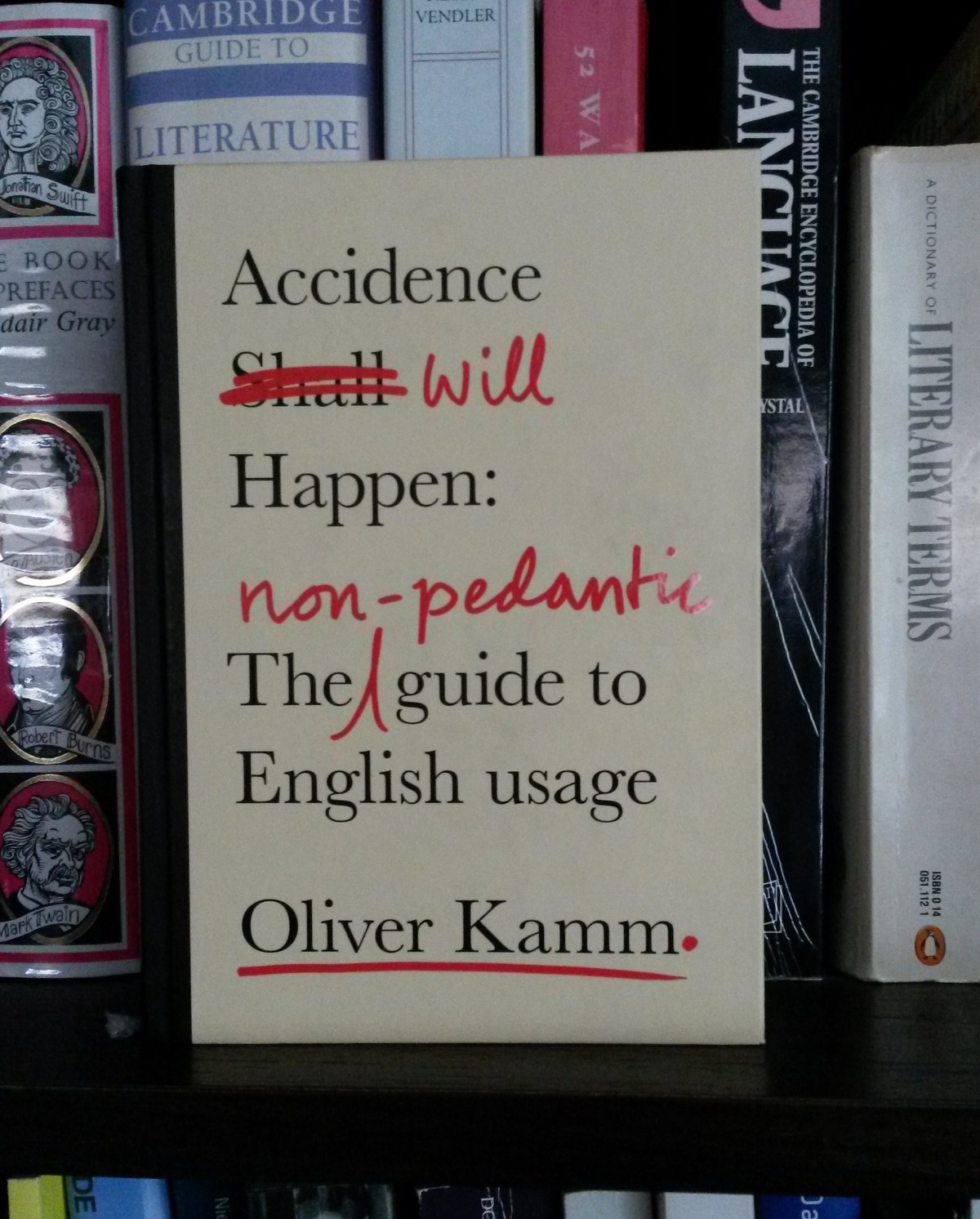
 In this book, Oliver Kamm attempts to explode a few myths about English usage, and set out sensible guidelines for literate writing. He gives interesting historical background notes and examples for many of his points, so the book is useful and well worth reading. But even though he chides “sticklers” for their insistence on idiosyncratic rules, his own rules and suggestions are themselves quirky and inconsistent. This makes the book a bit frustrating to read. It’s fun if you enjoy arguing with books though.
Kamm is generally very liberal in his views of language: he thinks that language should be allowed to change through usage, and that arbitrary and obsolete rules shouldn’t impede this. He’s right, of course. But he goes both too far and not far enough: he want to throw out some rules that are useful and make the language more usable; yet he wants to keep some obscure rules that make no sense despite his attempts to justify them. I found myself shaking my head and tsking so much that I was moved to pick up a pen and note my disagreement (and, in some cases, my agreement). Here are some examples.
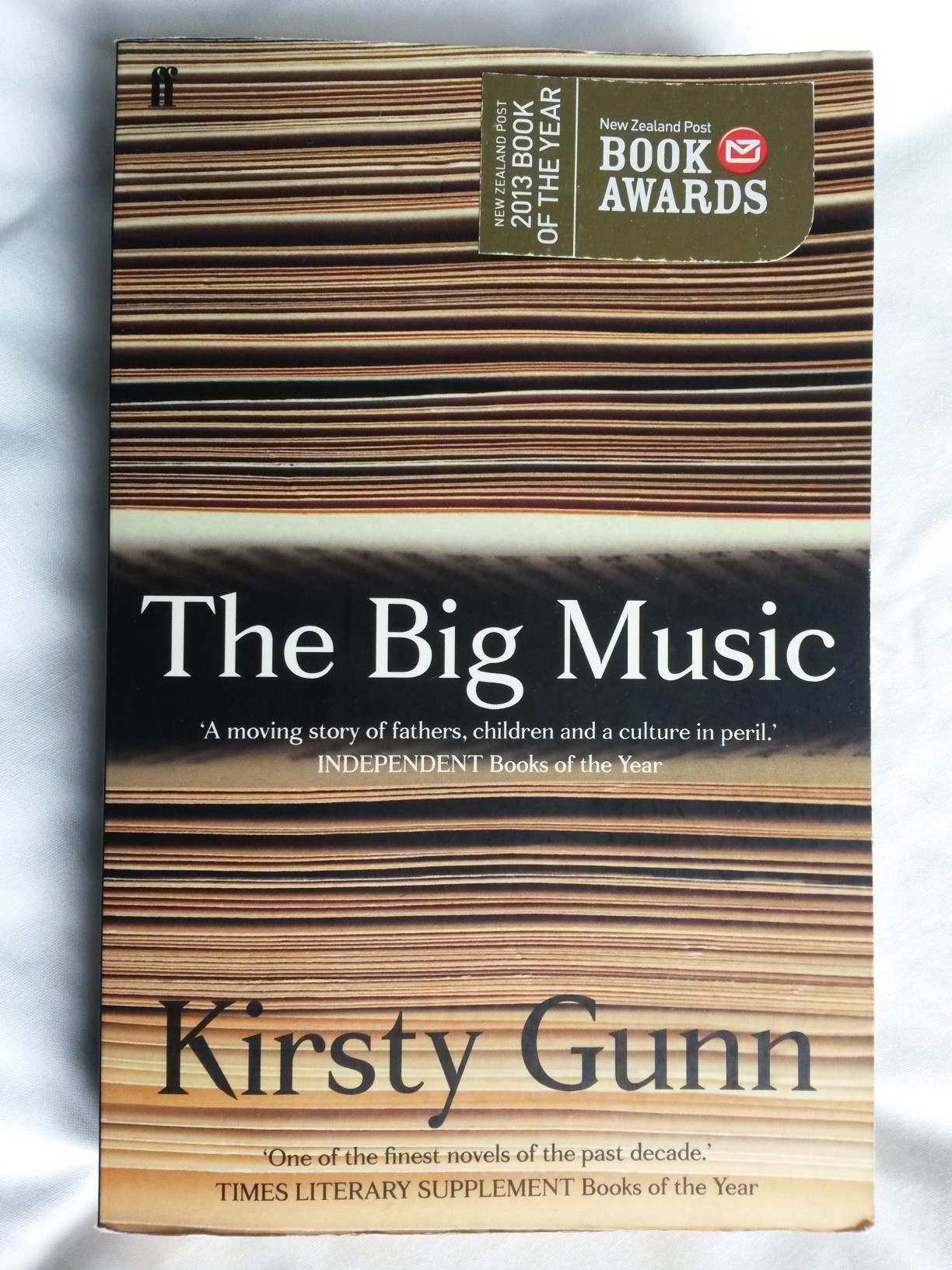 An old man kidnaps his housekeeper’s granddaughter and takes her for a walk in the hills. He needs to write her into a piece of music he is composing. This is the start of this novel, and as it continues we learn more about the history of his family, which has lived for many generations in a remote house in the Scottish highlands. The house and family have become famous in the world of classical bagpipe music, the “big music” of the title.
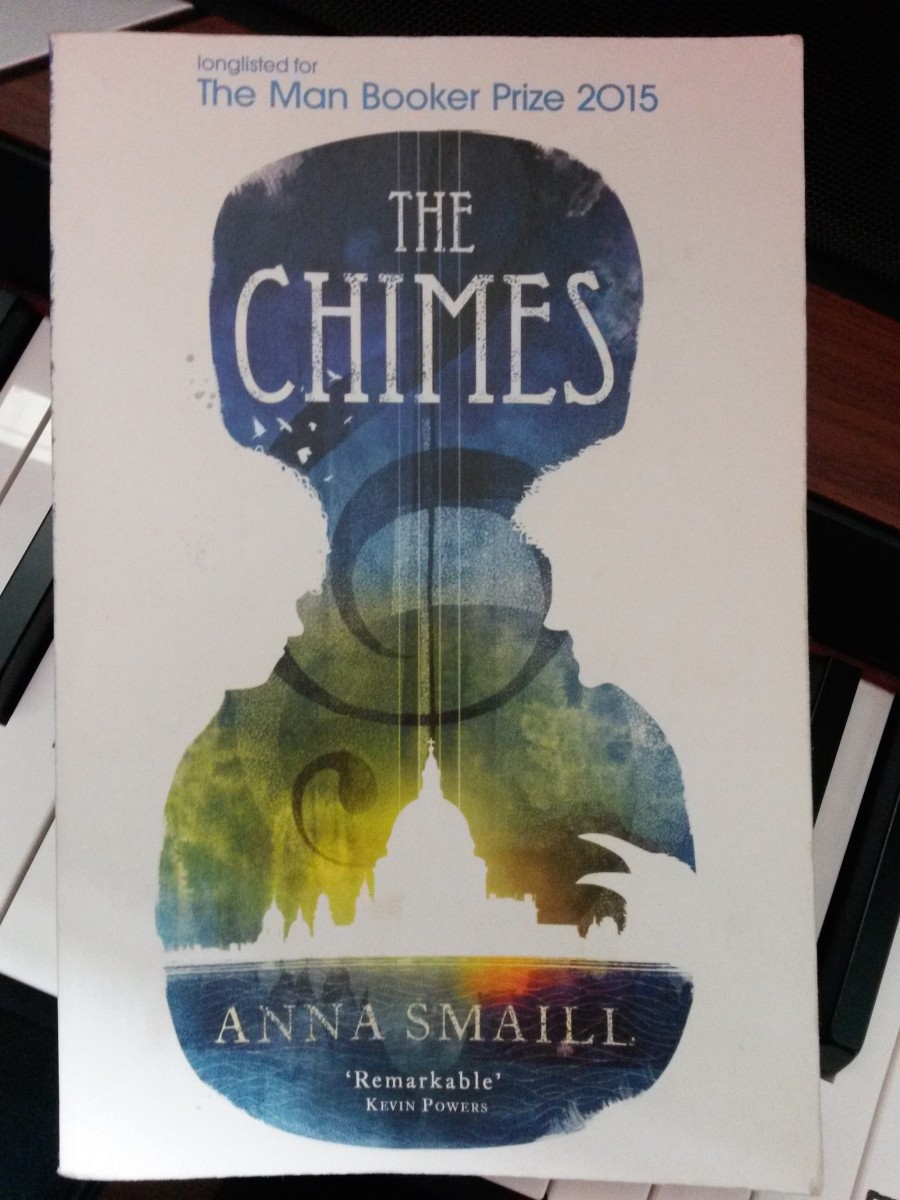 What would life be like if we communicated with music instead of words? That’s the situation in the dystopian future of The Chimes. People have lost most of their ability to remember in words, so they must rely on objects to prompt their memories, and an intricate musical language to communicate. Simon, a young man, fetches up in London with only a vague idea why he came and what he’s supposed to do there. Things start happening to him, and before long he starts making things happen himself. Eventually he becomes part of a revolutionary struggle.
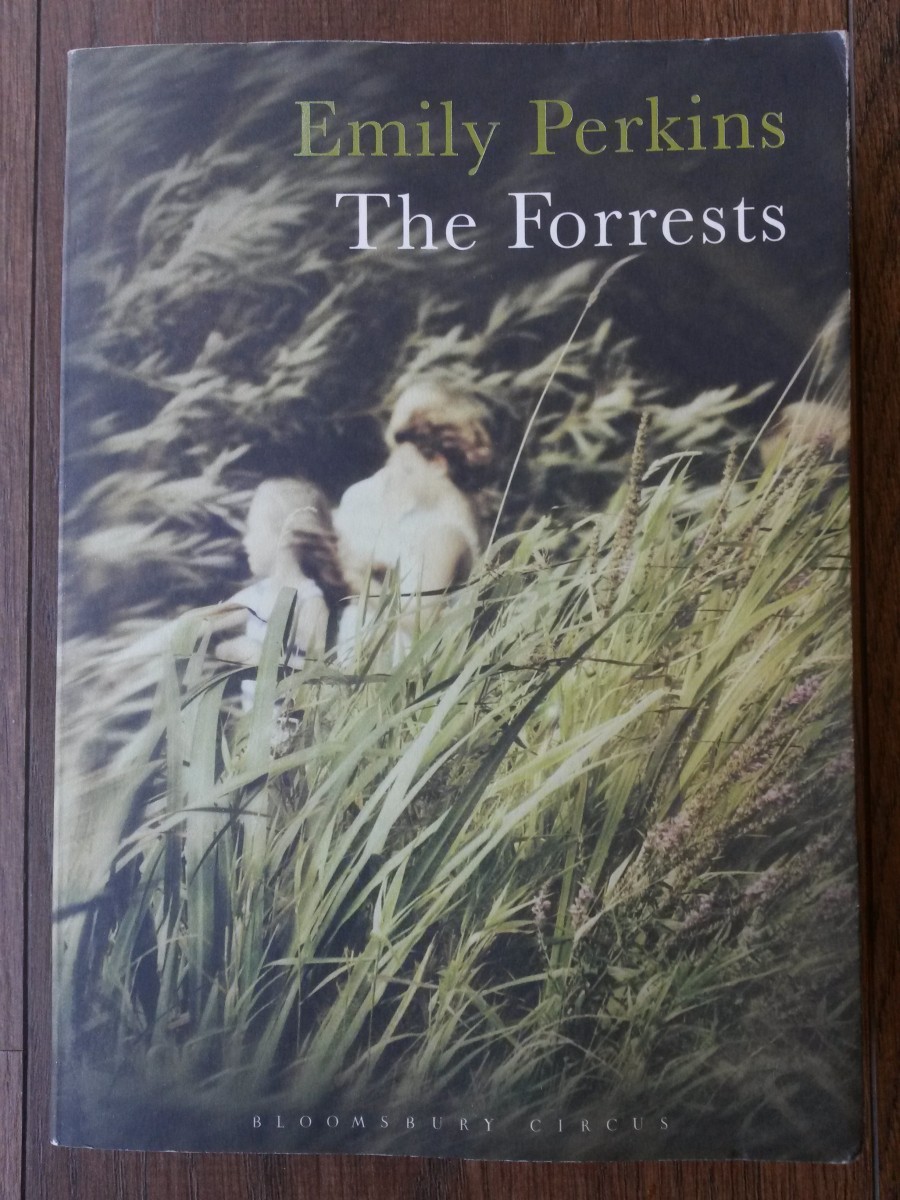 This novel is Dorothy Forrest’s life story, and her complicated family life too. After reading it I felt that I knew her quite well…
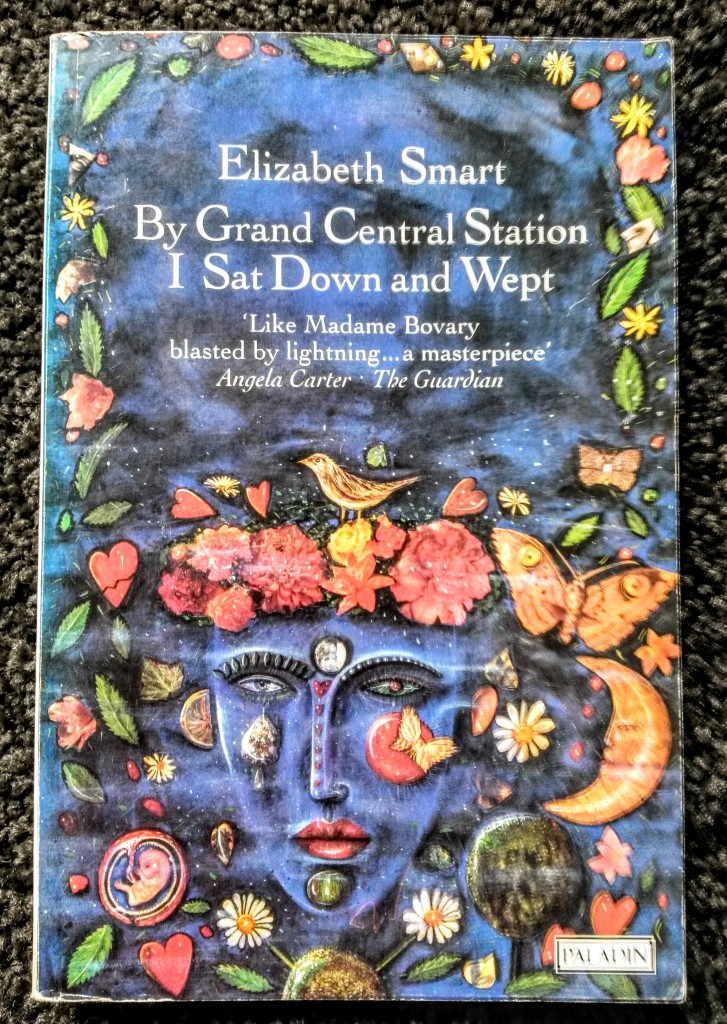 This is an amazing prose poem spanning the author’s love affair with an older married man. The language is raw and rich and really takes you to another place, and usually not a happy one — when she isn’t miserable, she’s obsessively ecstatic. But wow, what a ride:
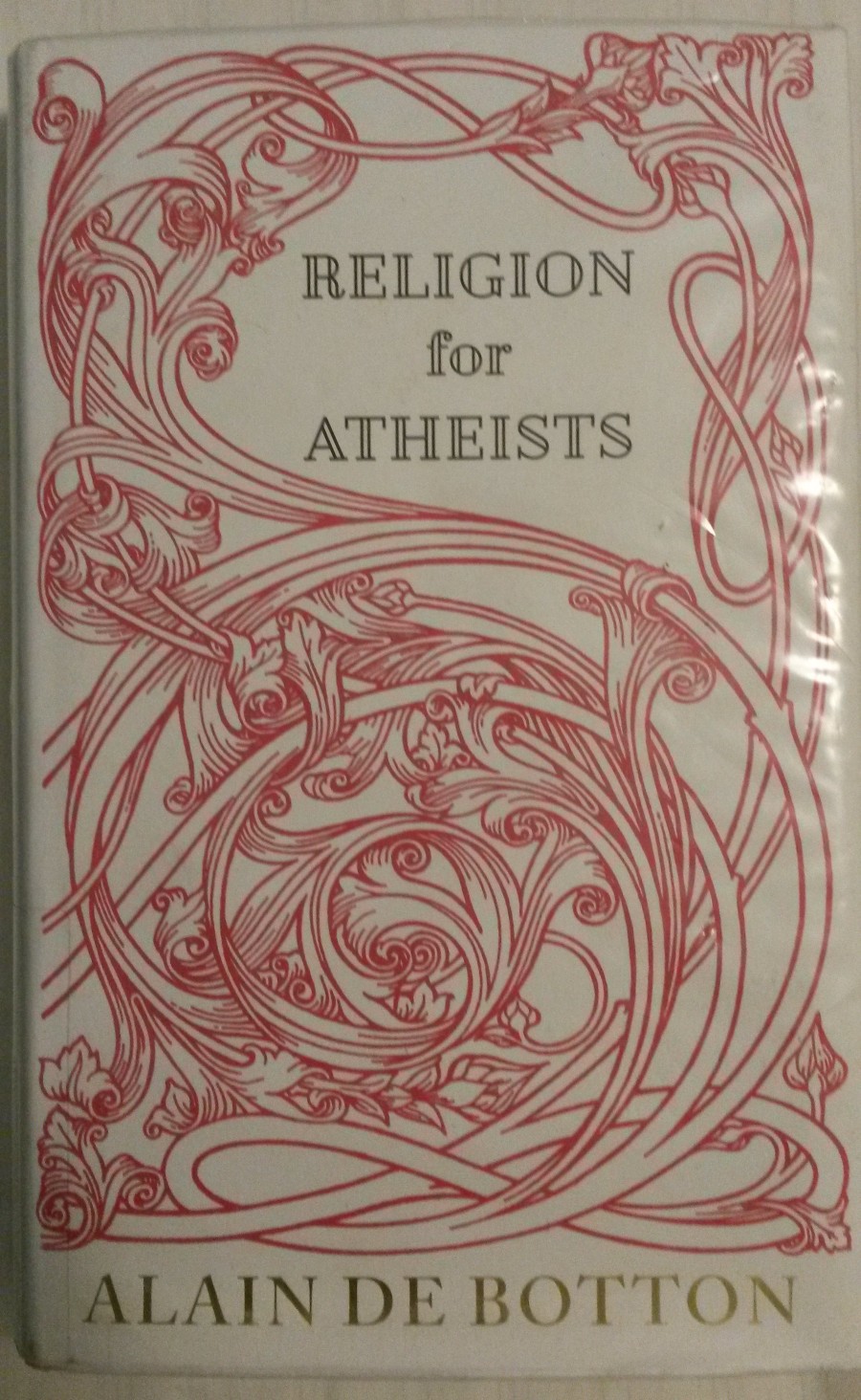 Most religions make metaphysical claims that are hard to believe, if they make any sense at all. But even if you don’t believe that the world rests on an elephant standing on turtles, or that omnipotent beings scrutinise our every move, religious traditions have a lot of ideas worth keeping. Religions place great importance on things like community and ritual, acknowledging our needs and our foibles too. This is what de Botton points out in this book.
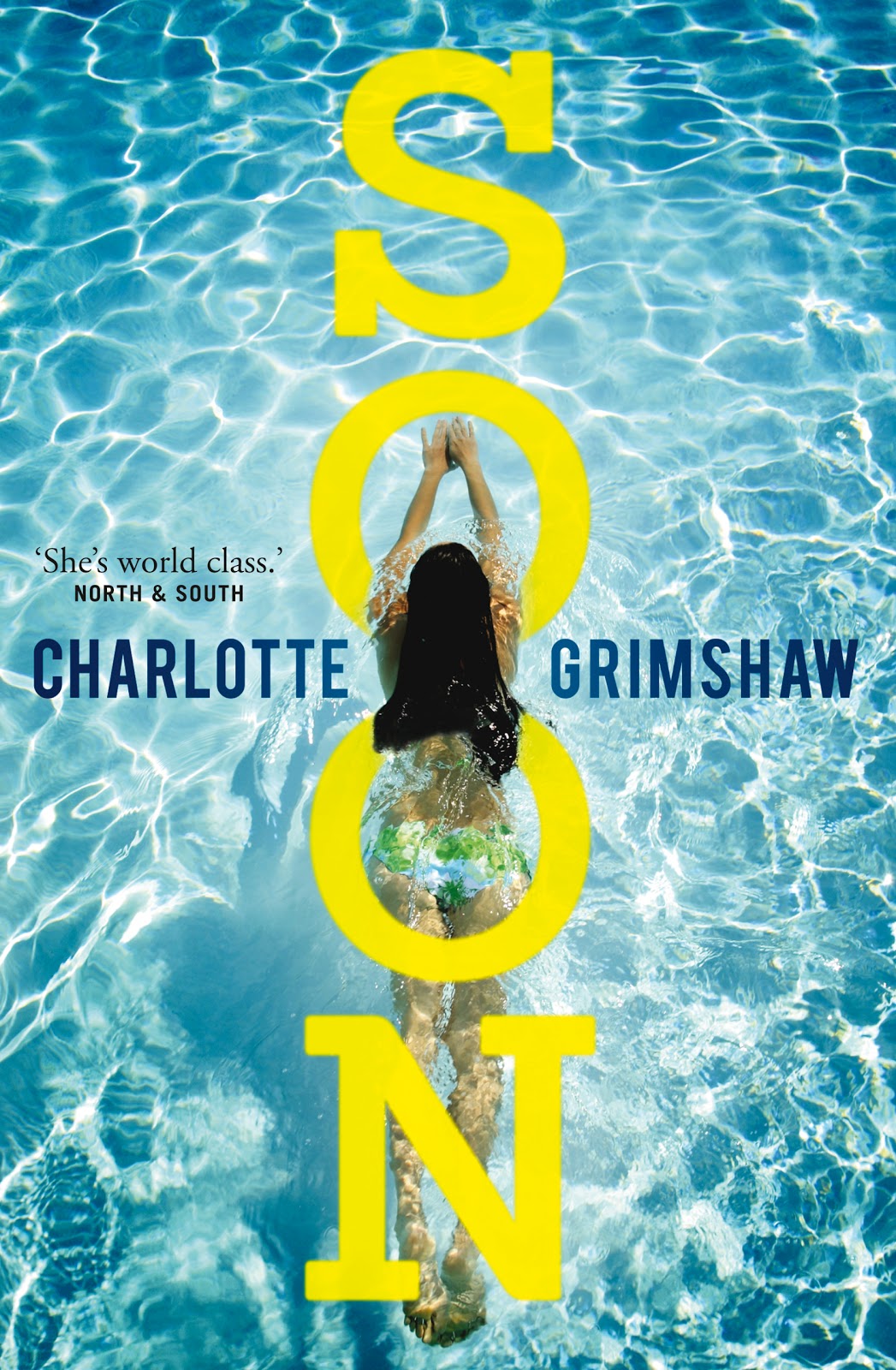 Two very interesting characters inhabit this story: Roza, the Prime Minister’s wife, a creative maverick who still manages to fit in with his circle; and her precocious young son Johnny, who is clever and manipulative and a bit of a nightmare. Throughout the novel, Roza tells Johnny a story featuring a large cast of characters including a nasty dwarf called Soon, and surreal happenings, all based on the other people in the novel. It’s like a terrifyingly twisted Enid Blyton romp, and it’s fun drawing parallels between Roza’s story and the novel.