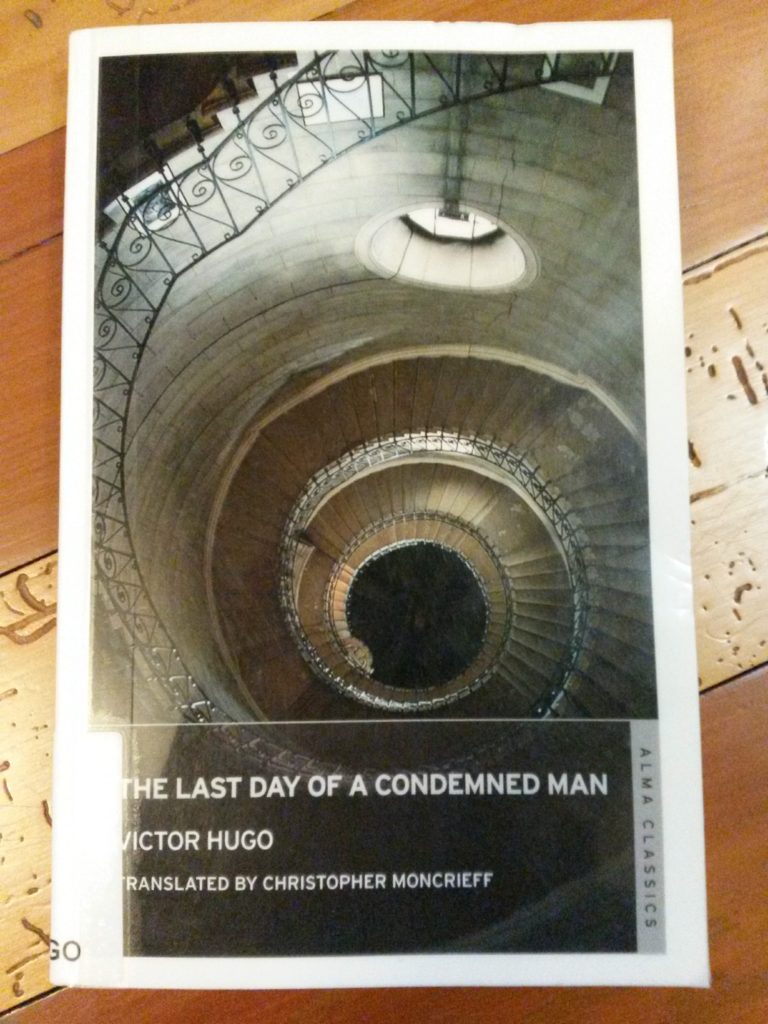
 Notes purportedly written by a condemned man during the day before his scheduled execution. Hugo wrote this as a protest against the death penalty at a time when the guillotine was in enthusiastic use by the French authorities. It works well by humanising the doomed prisoner, though I feel it cheats a little by never detailing the crime that put him on death row in the first place. Still a powerful read.
Articles about novels
The Last Day of a Condemned Man — Victor Hugo
Billy Bird — Emma Neale
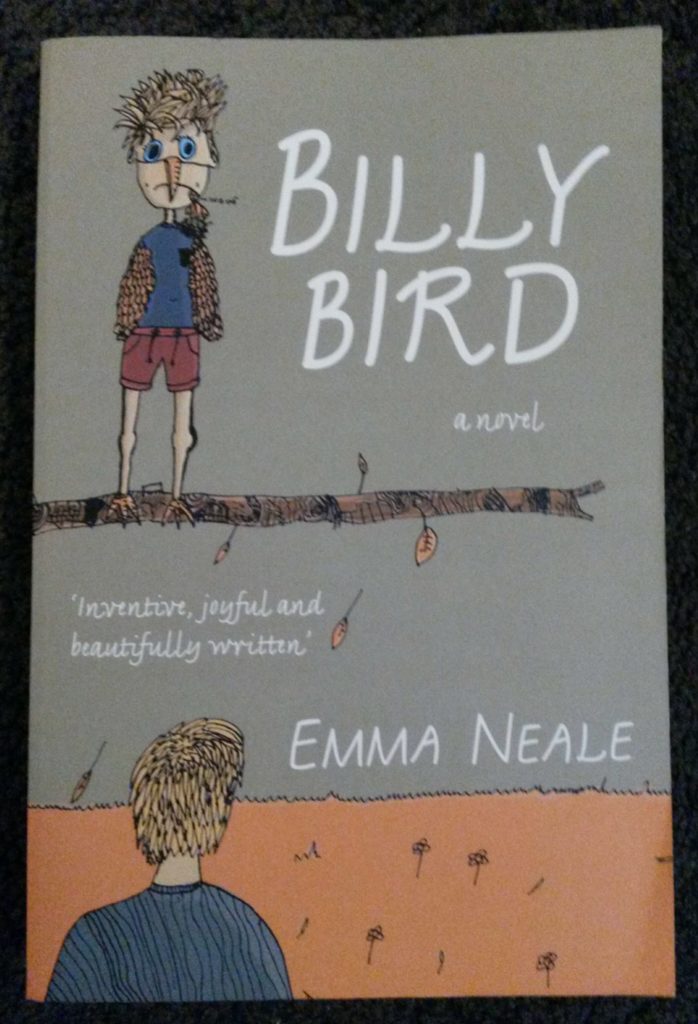
This is a wonderful story of a quirky boy and his family as they go through some funny, tragic, interesting times. The premise is that Billy turns into a bird, or believes he does. But there is a lot more happening around that, and it all makes sense in the end.
Continue readingThe Big Music — Kirsty Gunn
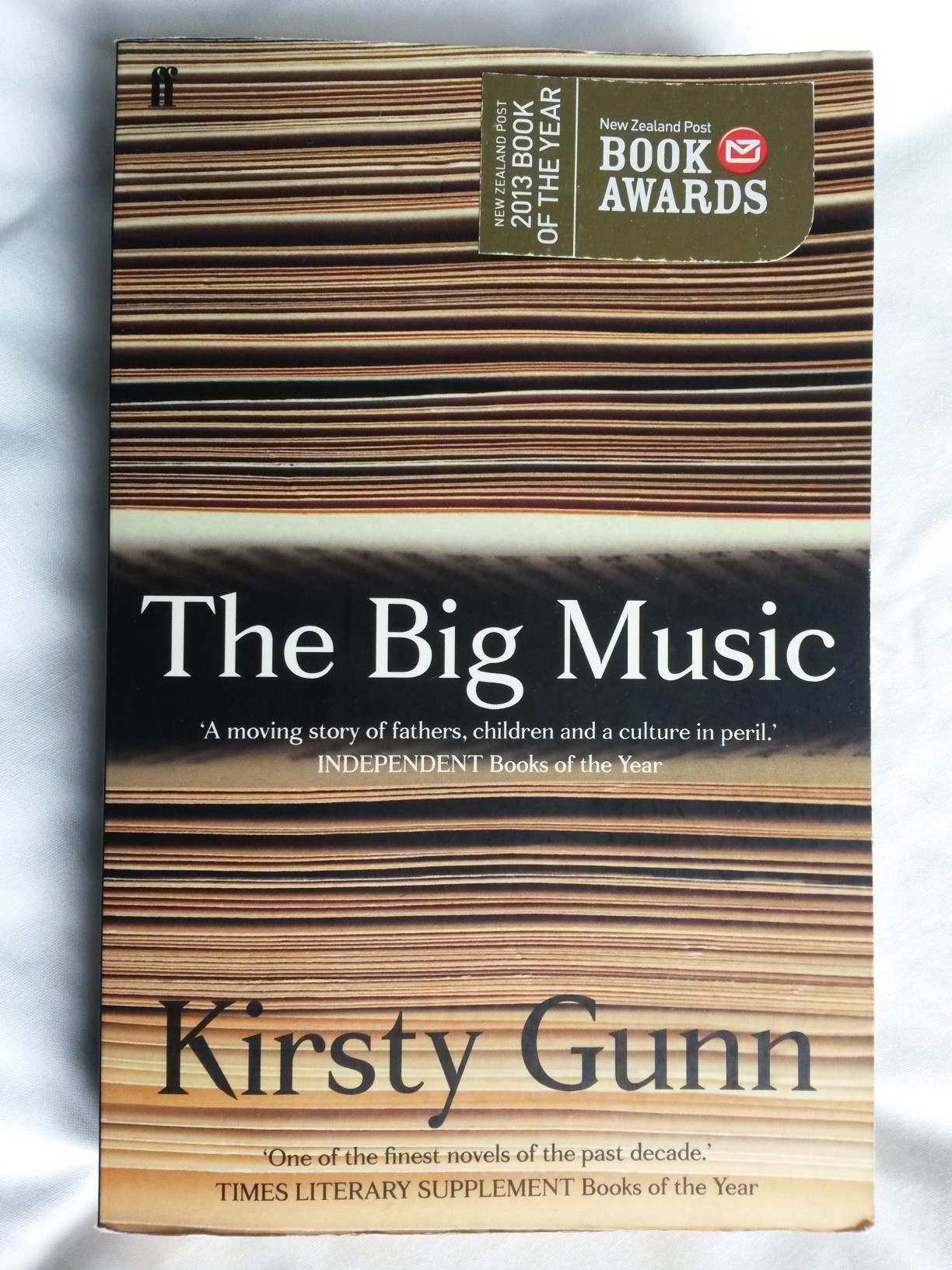 An old man kidnaps his housekeeper’s granddaughter and takes her for a walk in the hills. He needs to write her into a piece of music he is composing. This is the start of this novel, and as it continues we learn more about the history of his family, which has lived for many generations in a remote house in the Scottish highlands. The house and family have become famous in the world of classical bagpipe music, the “big music” of the title.
I have never seen a book put together like this one before. It’s presented as a documentary, with the story built up from fragments of letters, recordings and papers found during the author’s research into the family and house. Supporting the story are many many footnotes, including frequent cross-references to other parts of the story and to the numerous appendices including plans of the house, maps of the area, family history, proceedings of musical societies, academic papers and more. At first I found the footnotes intrusive and fussy, but eventually I realised that this was all an essential part of the book.
This review is about books, Kirsty Gunn, New Zealand, novels, Scotland. Bookmark the permalink. Leave a comment
The Chimes — Anna Smaill
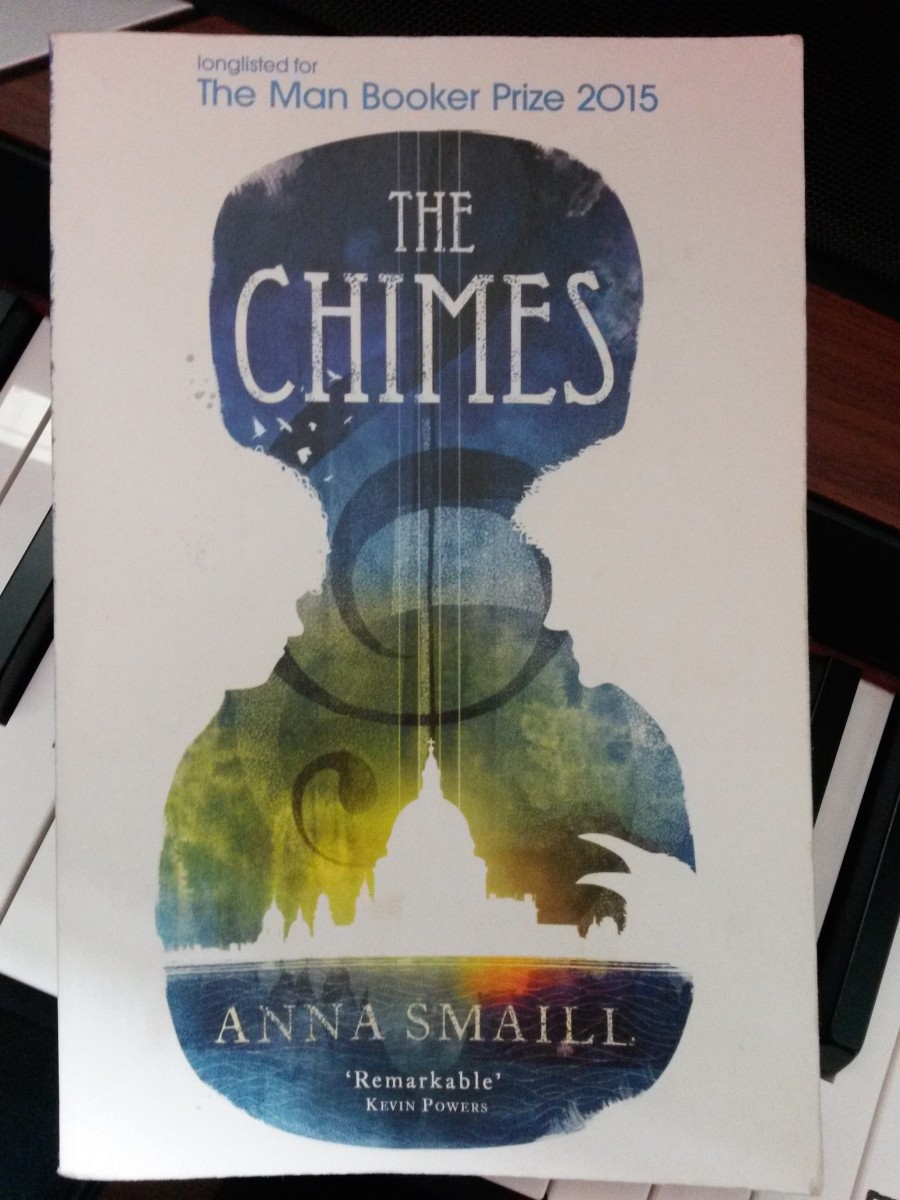 What would life be like if we communicated with music instead of words? That’s the situation in the dystopian future of The Chimes. People have lost most of their ability to remember in words, so they must rely on objects to prompt their memories, and an intricate musical language to communicate. Simon, a young man, fetches up in London with only a vague idea why he came and what he’s supposed to do there. Things start happening to him, and before long he starts making things happen himself. Eventually he becomes part of a revolutionary struggle.
I loved the first half of the book, as we are shown (not told) the mechanics of this strange new world. The language the characters use ingeniously blends musical terms with normal English. I love the term for musical heresy: “blasphony”. The second half is more plot-driven, so everything gets a bit more concrete. I found out later that his book is considered to be a YA (young adult) novel. I think this just means that there’s only moderate violence, sex and swearing, and a teenage protagonist. It also means that things are tied up nicely at the end. Luckily it’s not too neat for an old adult like me.
This review is about Anna Smaill, books, New Zealand, novels, YA. Bookmark the permalink. Leave a comment
The Forrests — Emily Perkins
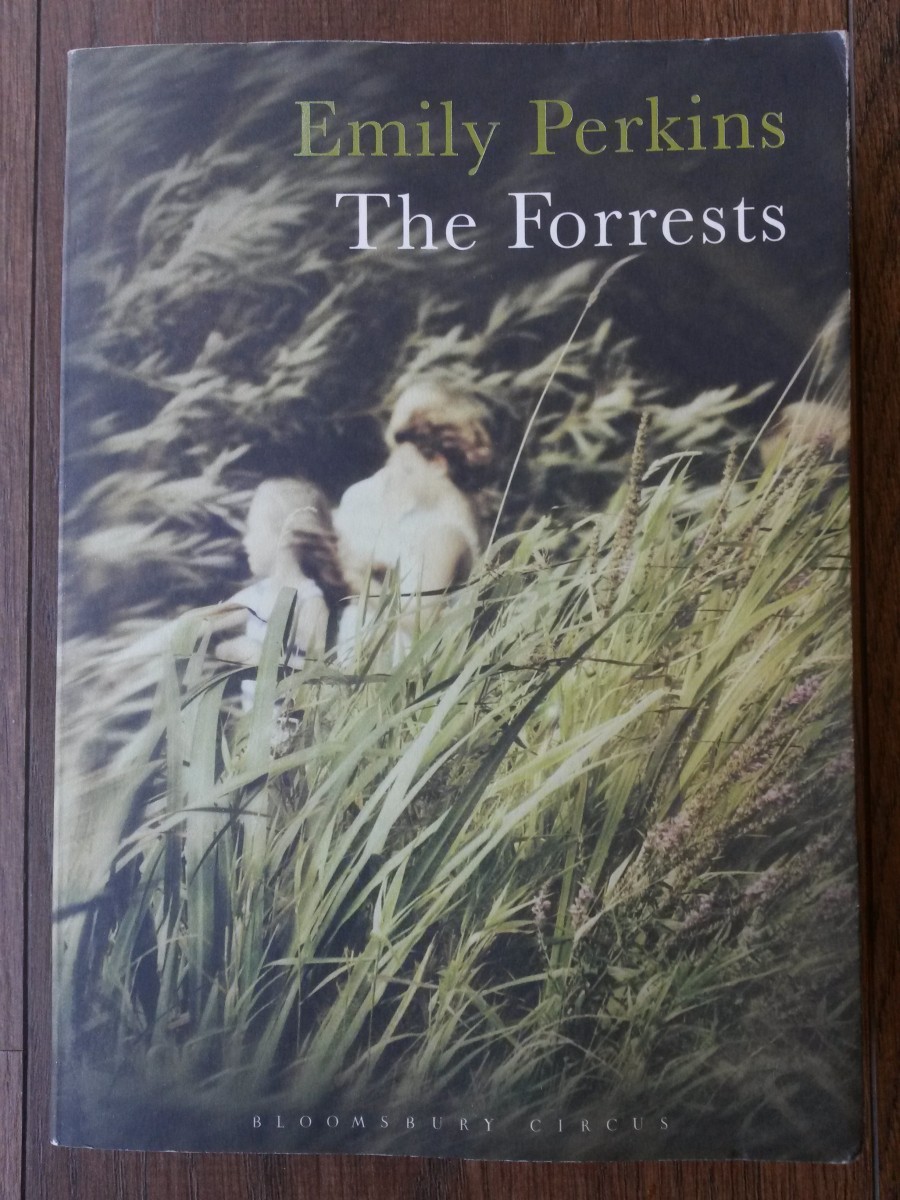 This novel is Dorothy Forrest’s life story, and her complicated family life too. After reading it I felt that I knew her quite well…
This review is about books, Emily Perkins, New Zealand, novels. Bookmark the permalink. Leave a comment
Soon — Charlotte Grimshaw
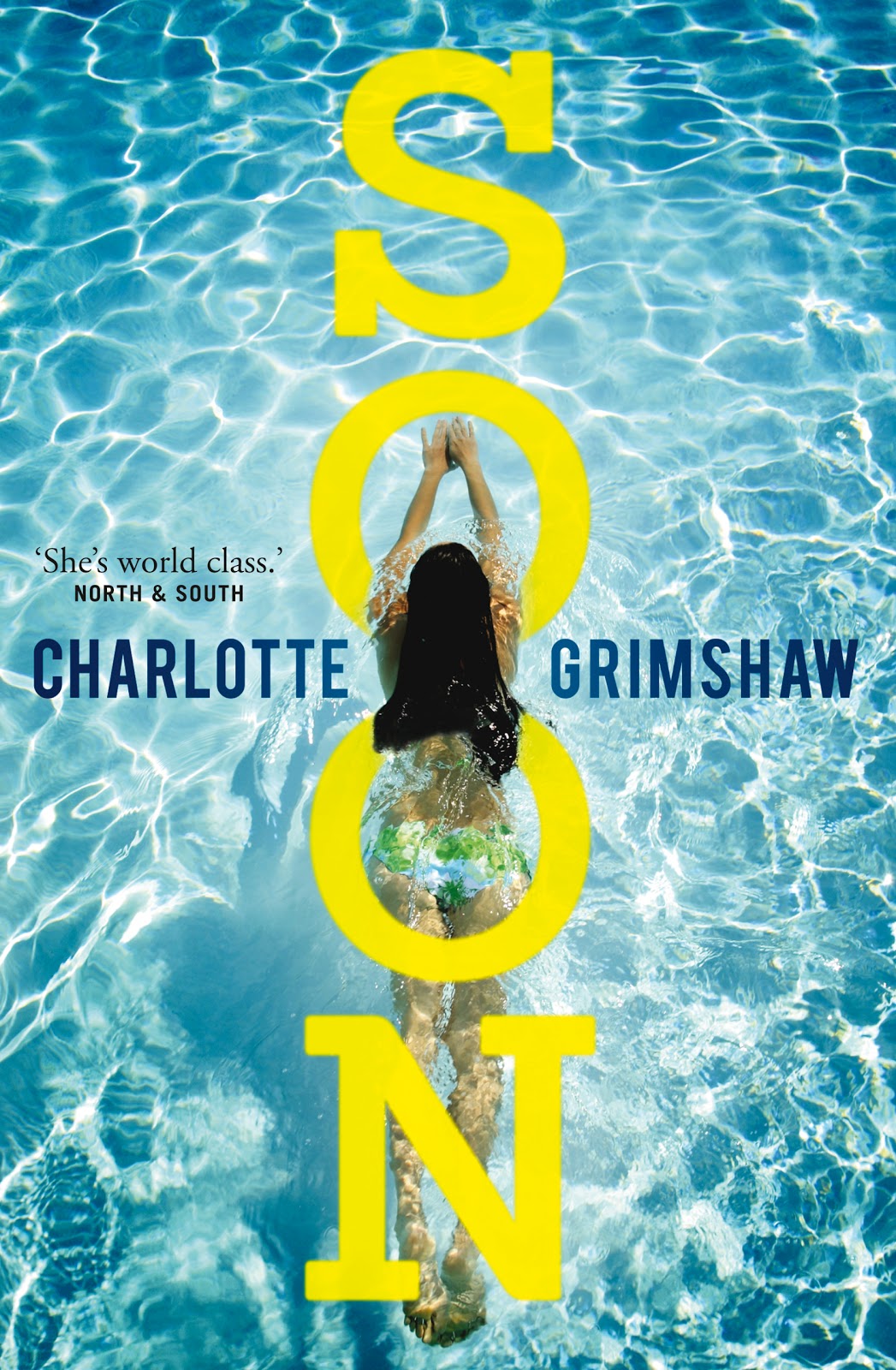 Two very interesting characters inhabit this story: Roza, the Prime Minister’s wife, a creative maverick who still manages to fit in with his circle; and her precocious young son Johnny, who is clever and manipulative and a bit of a nightmare. Throughout the novel, Roza tells Johnny a story featuring a large cast of characters including a nasty dwarf called Soon, and surreal happenings, all based on the other people in the novel. It’s like a terrifyingly twisted Enid Blyton romp, and it’s fun drawing parallels between Roza’s story and the novel.
The rest of Soon is nicely written and compelling, but the plot and the other characters are a bit more formulaic than Roza and Johnny. It’s a story of powerful people behaving badly. The right-wing Prime Minister himself is popular, but is also a cynical, amoral figure; a parallel here to the current New Zealand political scene, and also to another novel within this novel.
This review is about books, Charlotte Grimshaw, New Zealand, novels. Bookmark the permalink. Leave a comment
The Well of Loneliness — Radclyffe Hall
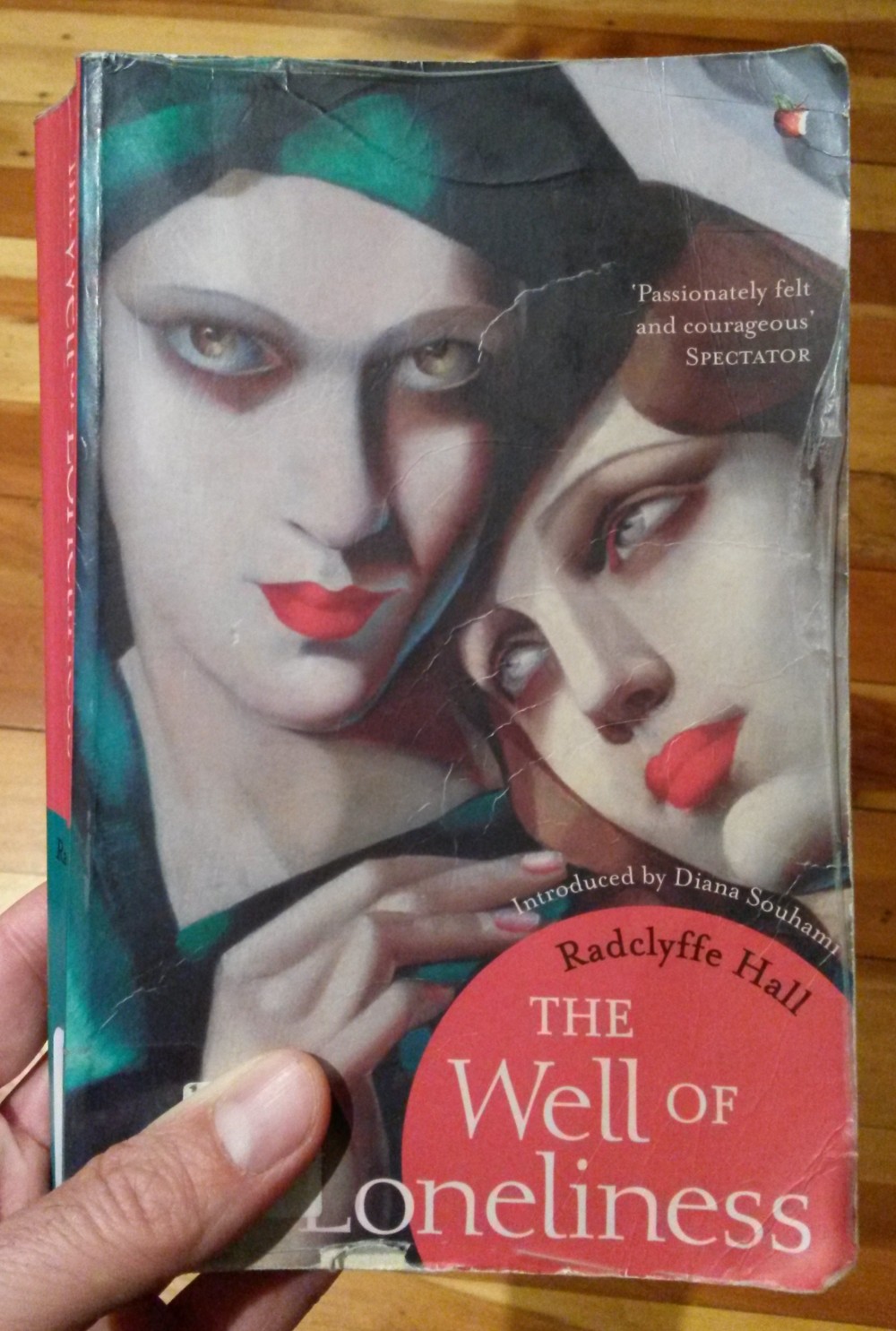 This story is about a tomboyish girl called Stephen. It traces her life from her birth and upbringing in a wealthy and genteel English family in the late 1800s, through the first world war and on to a successful career. She never feels quite comfortable conforming to the model of a well-brought-up young woman, and it takes many years to realise what the reader already knows, that she is (in her own words) an “invert”. Of course, such things were not discussed back then, at a time when the authorities did not even acknowledge lesbianism’s existence, and would have made it illegal if they had. The book was banned (and burned) on publication in 1928 in England.
Initially I couldn’t warm to Stephen because she is so privileged in many ways. She’s rich, physically masterful, intelligent, and has a very supportive and understanding father and other carers. She’s also a brilliant equestrian, fencer and writer. But I realised that this just throws her problems into stark relief — nobody will explain or even acknowledge her feelings of not belonging; hence she does spend a lot of time in the “well of loneliness” of the title. She rails against the unfair fact that she will never be able to acknowledge her partner as such, or even to grieve her properly if she dies, without suffering awful societal consequences. It reminded me of the film Four Weddings and a Funeral, where (spoiler alert) even at Gareth’s funeral, Matthew, his loving partner of many years, could be referred to only as “his closest friend”.
Agnes Grey — Anne Brontë
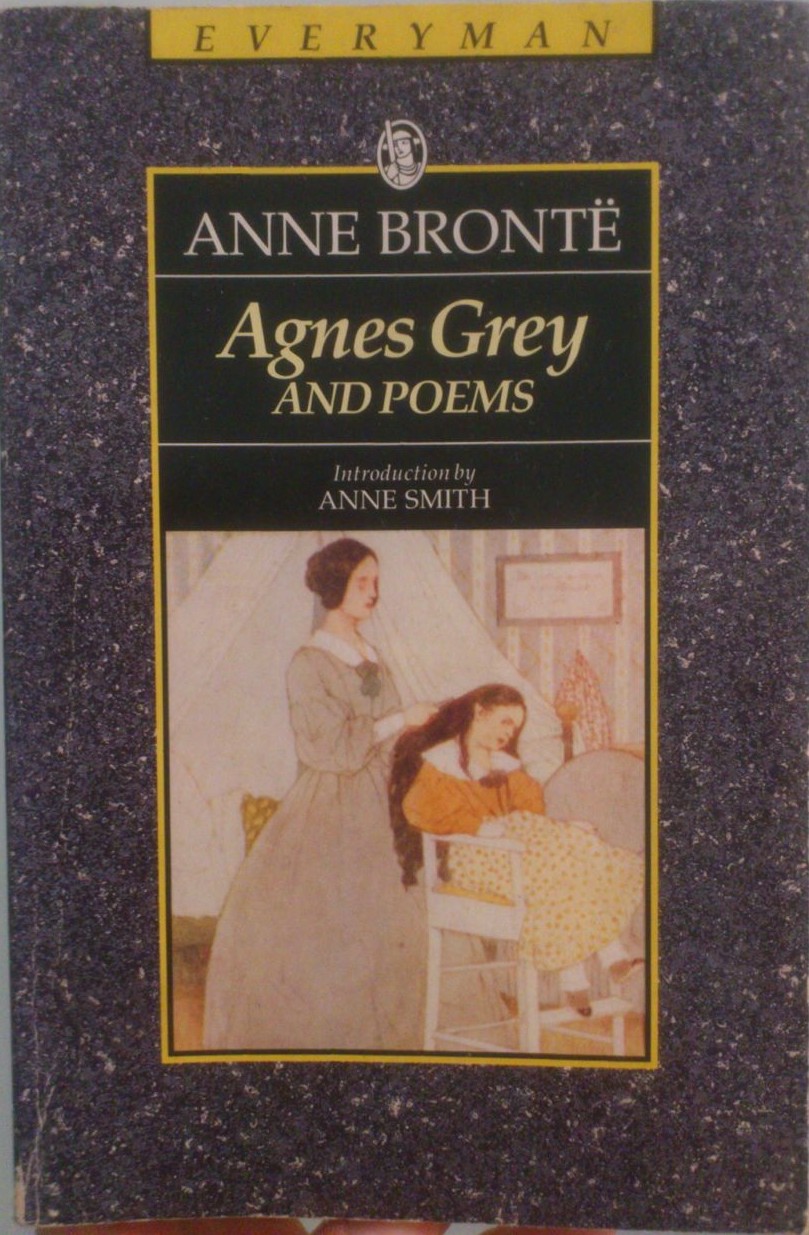 This short novel is neat and satisfying. It’s the story of a girl who decides to become a governess; Agnes is positively saintly, but with a quite amusing wryness in her descriptions of the people she meets. She certainly doesn’t make governessing sound like much fun; doubly so since Brontë based the story partly on her own experiences.
Inevitably, there is a romantic interest. He seems quite unpromising when first introduced, though I identified him immediately as The One; it’s that kind of story. Later, when she describes his appearance, the words are an exact — exact! — description of Colin Firth as Mr Darcy.
Zen and the Art of Motorcycle Maintenance — Robert Pirsig
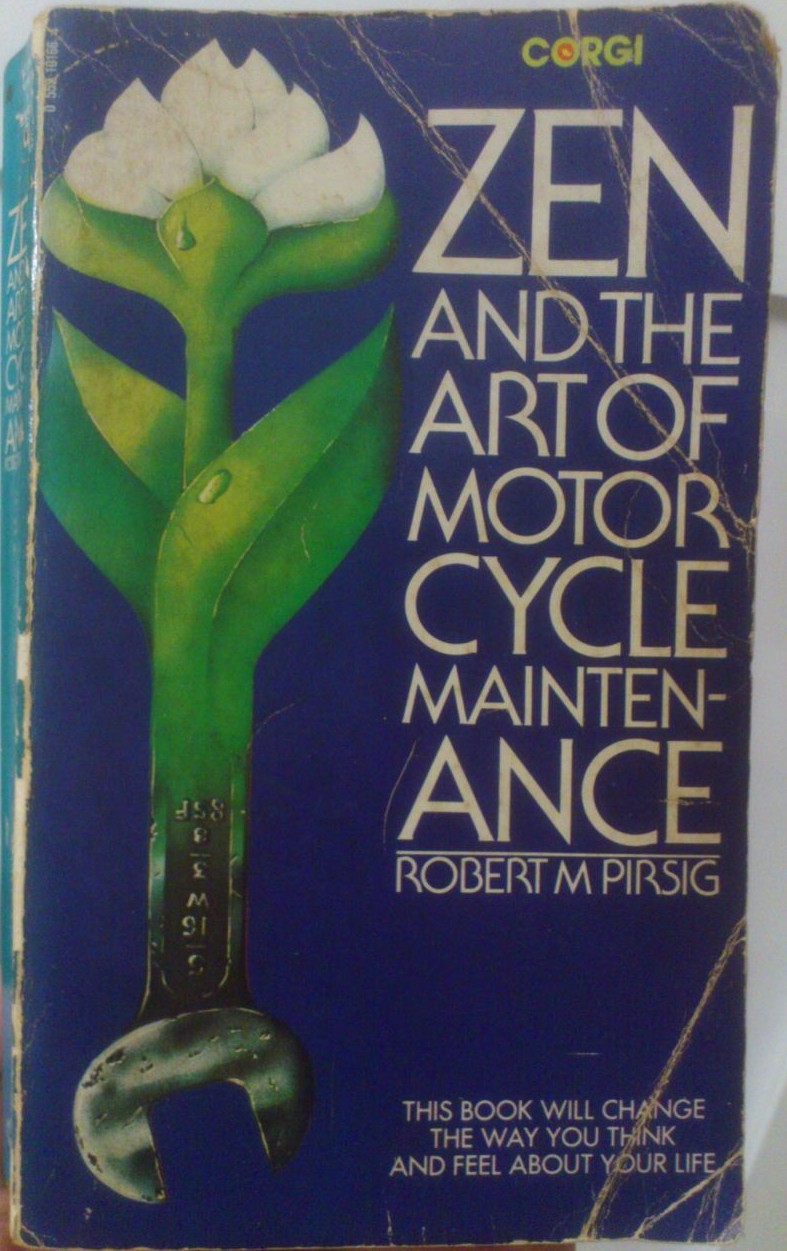 A man is on a motorcycle road trip with his son and a couple of friends. As they travel through roads and towns across the USA, he pontificates about life, philosophy, and yes, motorcycle maintenance. He doesn’t say a lot about Zen, actually, but what he does say fits in well with the rest of his ideas. He’s trying to develop a train of thought that he thinks might be able to solve the malaise affecting the affluent West in these decadent times.
As the narrator talks more about his own history, it becomes clearer where his ideas came from and how bound up they are to his personal life. You can tell that there are some troubles below the surface and these build tension throughout the story leading to… well, the end of the story, which was reasonably satisfying.
This review is about books, novels, philosophy, Robert Pirsig. Bookmark the permalink. Leave a comment
The House of Mirth — Edith Wharton
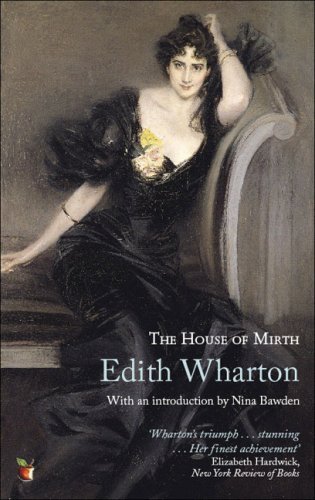
This is a wonderful book. It immerses you into New York society a hundred or so years ago, a world where every social interaction is governed by intricate codes and strict, yet unwritten, rules. Lily Bart, the protagonist, is a consummate master of these rules, but will her extravagant tastes get the better of her and condemn her to a fate as an impoverished old maid? (Actually, I don’t know the answer yet: I’m only halfway through.)
Continue reading